Off Grid Living
Complete guides to disconnecting from the grid. Learn about solar power systems, water collection, sustainable living, and building an independent lifestyle.
Welcome to the Off-Grid Living category page on Survivorpedia.com, where you'll find comprehensive information and practical advice for those looking to embrace a self-sufficient lifestyle away from traditional utility services. Off-grid living is more than just an alternative way of life; it’s about sustainability, independence, and resilience in an ever-changing world.
Off-grid living means relying on your own resources for energy, water, waste management, heating, and food production. This type of lifestyle can be incredibly rewarding but requires careful planning to ensure that you’re not only comfortable but also environmentally conscious. The core systems involved include solar power, rainwater collection, composting toilets, and propane or wood heating.
**Getting Started with Solar Power**
The journey towards off-grid living often begins with harnessing the sun’s energy through solar panels. Installing a small photovoltaic system is a practical first step that can significantly reduce your reliance on grid electricity while providing you with an essential skill set for future expansion. Start by assessing your daily power needs and gradually increase your capacity as you become more adept at managing renewable resources.
**Water Collection Systems**
Once you’re comfortable with solar energy, the next logical step is to collect rainwater. This involves setting up gutters and storage tanks to capture rainfall during wet seasons, which can then be treated for drinking or used directly for other household needs like washing clothes and gardening. Effective water management not only ensures a steady supply but also minimizes your environmental impact.
**Composting Toilets**
Addressing waste disposal is another crucial aspect of off-grid living. Composting toilets are an eco-friendly solution that converts human waste into compost, reducing the need for septic systems or sewage connections. They require regular maintenance and understanding to operate effectively, turning what might be seen as a problem into a resource.
**Heating Solutions**
For warmth during colder months, consider propane or wood heating options. Propane is convenient but comes with storage requirements and costs. Wood heating offers a more traditional approach that can also provide a sense of connection to nature, though it demands significant effort in sourcing and preparing firewood.
**Cost Considerations**
Transitioning to an off-grid lifestyle involves substantial initial investments, particularly for solar panels and water collection systems. However, these expenses are often offset by long-term savings on utility bills and the peace of mind that comes with energy independence. It’s important to budget carefully and consider financing options or grants that might be available.
**Legal Considerations**
Before making any major changes, check local regulations regarding off-grid living. Permits may be required for solar installations, water collection systems, and waste management solutions. Zoning laws can also impact your ability to build structures like greenhouses or additional housing units on your property. Understanding these legal frameworks early will save you time and potential headaches down the line.
Off-grid living is a profound shift that requires commitment but offers immense rewards in terms of self-reliance and environmental stewardship. As you embark on this journey, remember that every step forward brings you closer to a sustainable future.
****
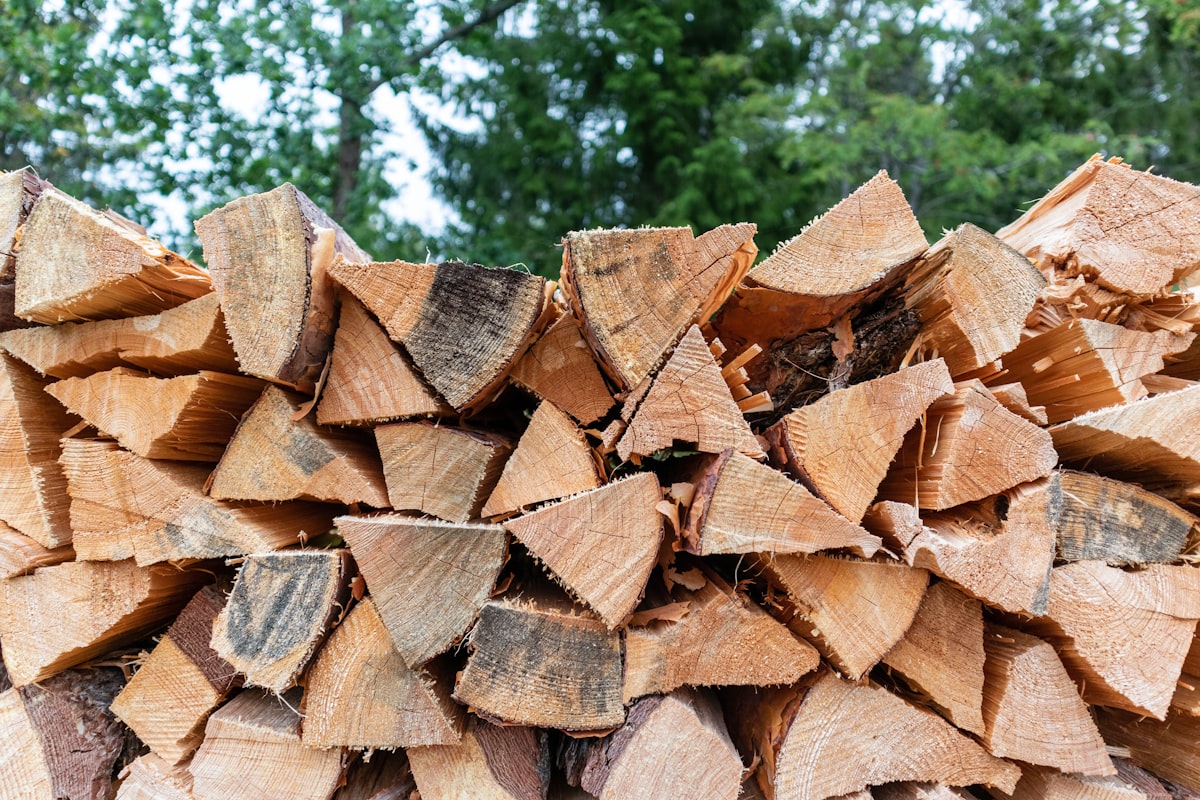
Best Firewood Species: BTU Rankings and What Burns Longest
Ranked by BTU output: which firewood species burns hottest and longest? Oak, hickory, ash, and more — with a full comparison table for off-grid heating.
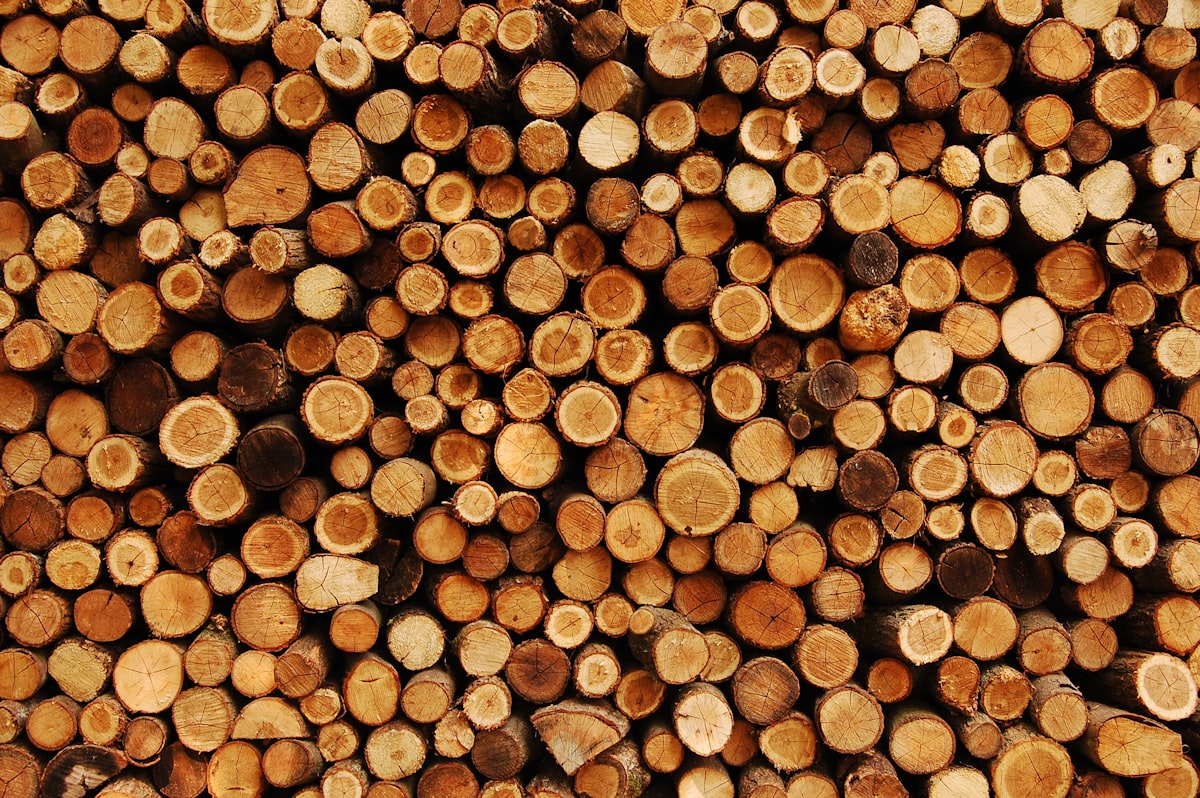
How to Season Firewood the Right Way
Green wood burns poorly and builds creosote. How to season firewood correctly with cutting, splitting, stacking, and moisture testing.
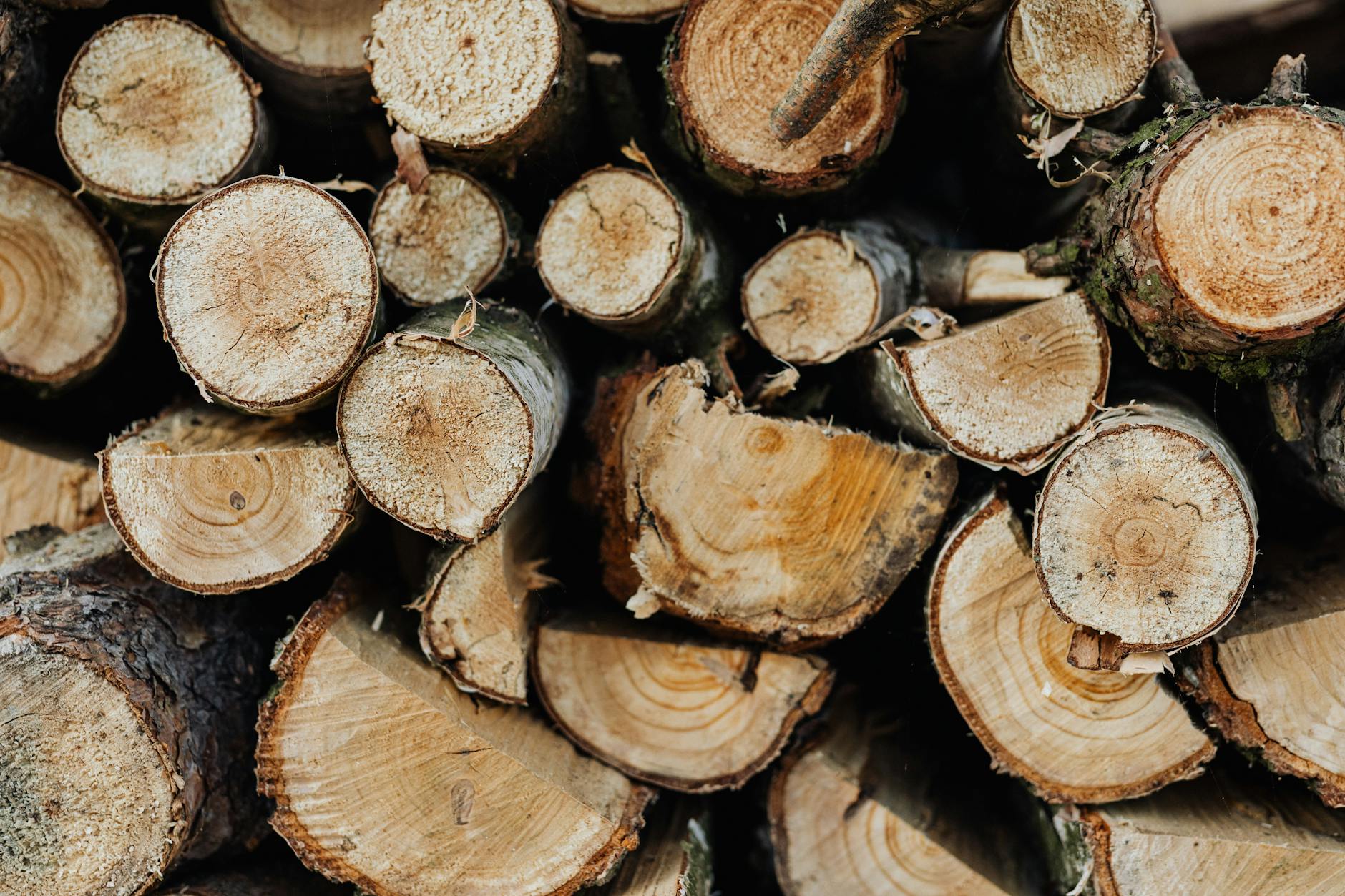
5 Firewood Storage Mistakes to Avoid
These 5 firewood storage mistakes rot your supply, keep wood wet, and create chimney fire hazards. Learn how to store firewood correctly before winter arrives.
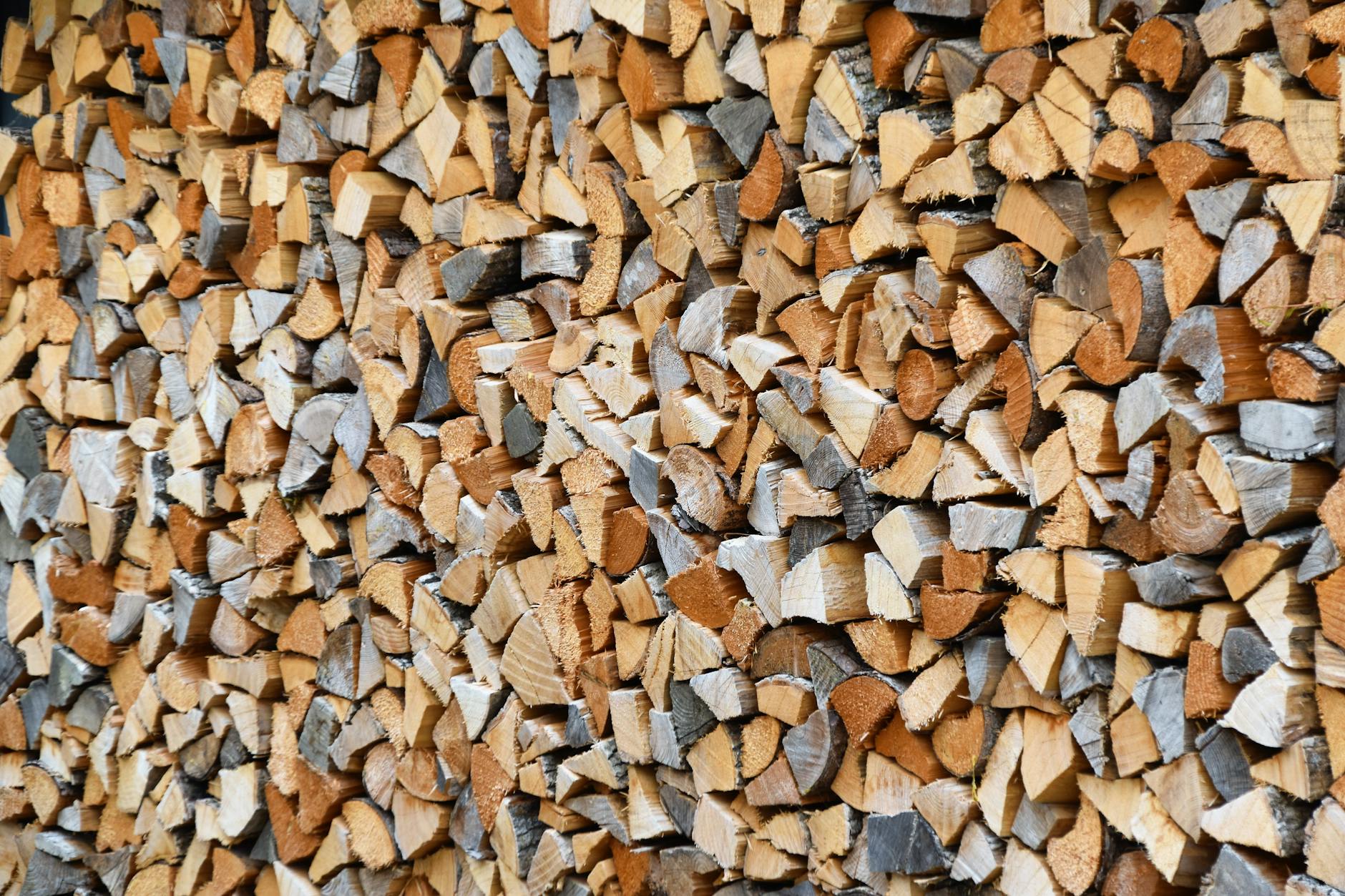
How Much Firewood Do You Need for Winter?
Complete firewood planning guide — cord sizes, BTU by wood species, climate calculations, and storage tips so your supply burns efficiently all winter.
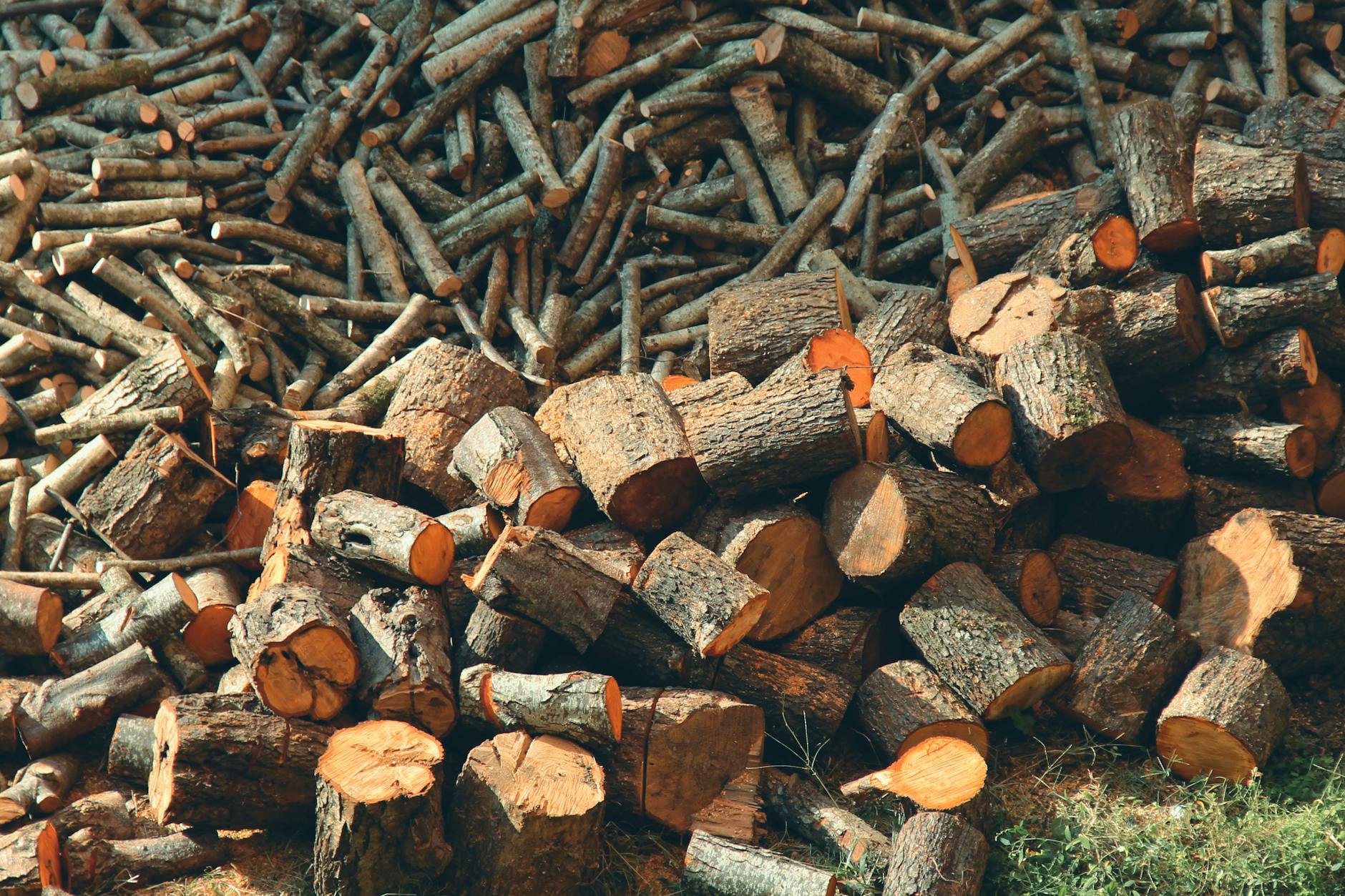
How to Use the Firewood Calculator
How to use the Firewood Calculator — enter your home size, climate, and stove type to find out how many cords of wood you need for winter.
Composting Toilets: What Nobody Tells You
Real talk about composting toilets from someone running one for 3 years off-grid. The good, the gross, and why I'd never go back to septic.
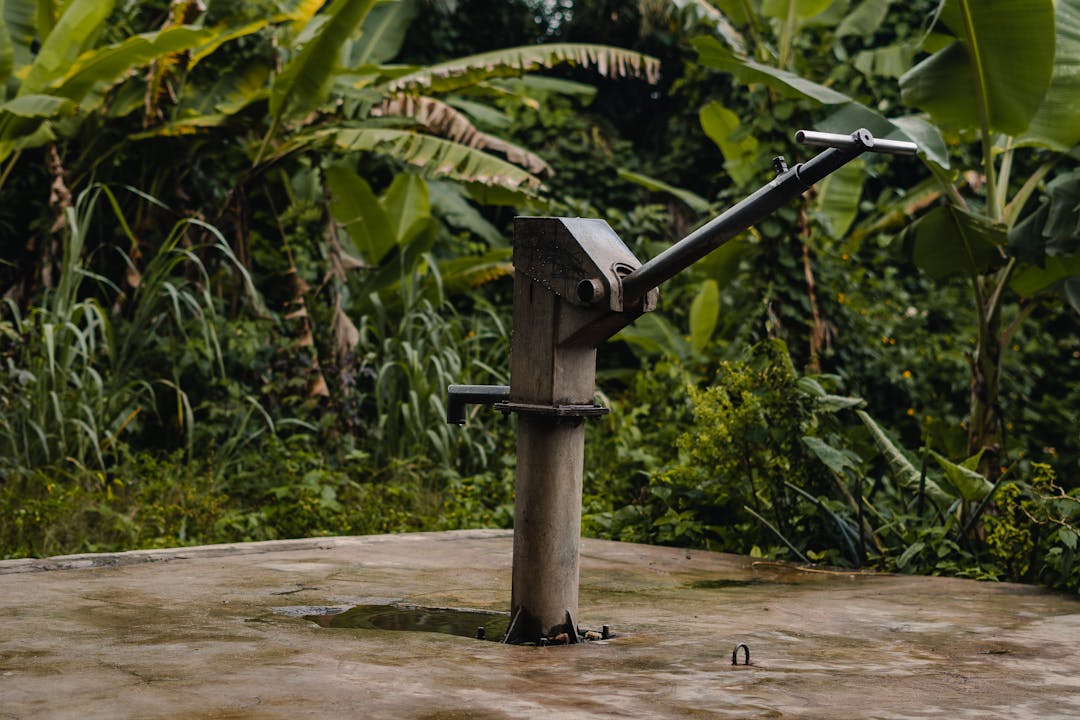
Off-Grid Water: Wells, Springs & What Works
Practical guide to off-grid water sources from drilling wells to developing springs. Real costs, permits, and the water source that surprised me most.
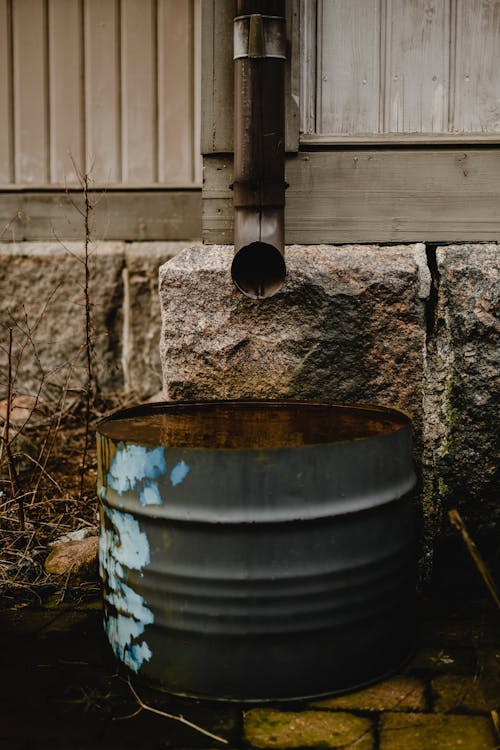
Rainwater Harvesting: How I Collect 3,000 Gal/Month
Complete guide to rainwater harvesting from someone who built a system from scratch. Collection, filtration, storage, and real homestead use.
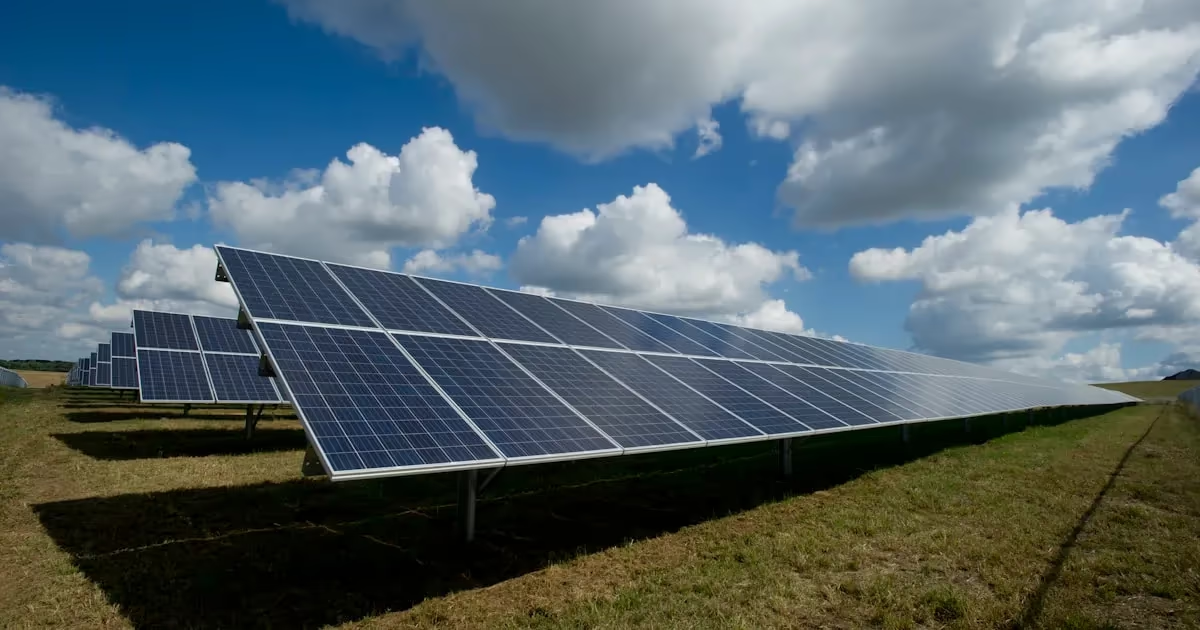
How to Size a Solar Power System for Off-Grid Living
Calculate exactly how many solar panels, batteries, and what inverter you need for off-grid power. Real numbers from a real system, not sales pitches.
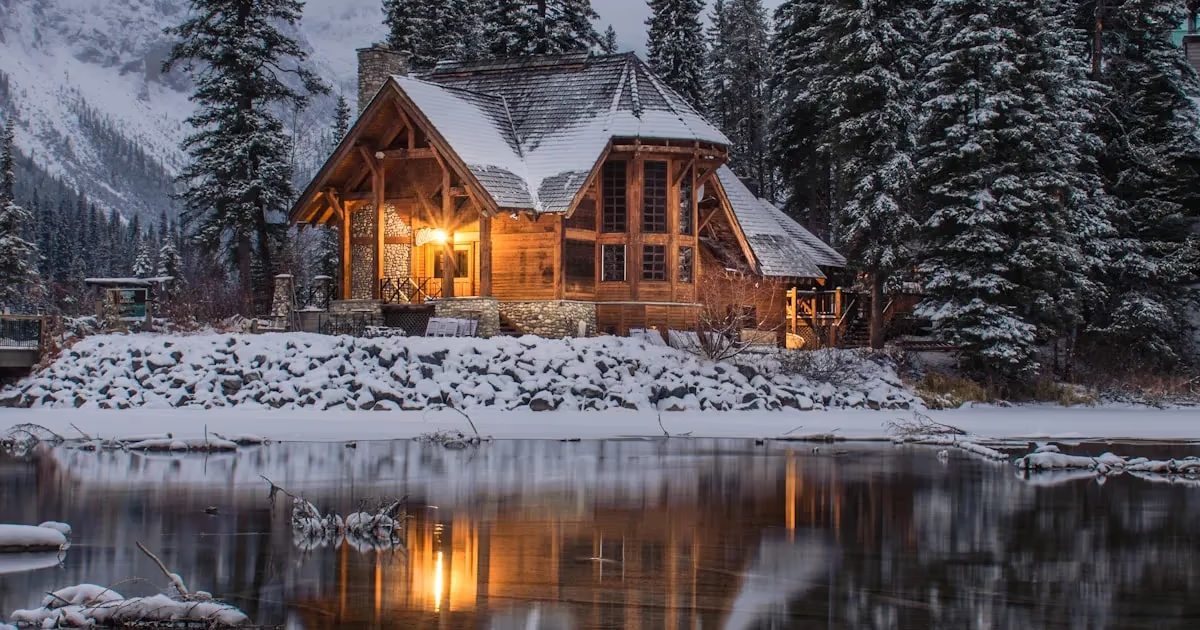
Complete Guide to Off-Grid Living
A realistic guide to going off-grid — solar power, water, waste, heating, and the hidden costs nobody tells you about. From someone living it.
Frequently Asked Questions about Off Grid Living
What is the typical cost of going off-grid?
How does solar power work for off-grid living?
Is it legal to collect rainwater for personal use in my area?
How can I start off-grid living on a budget?
Which states are best for off-grid living in the United States?
Stay Updated on Off Grid Living
Subscribe for more off grid living content, gear reviews, and expert tips delivered to your inbox.
Subscribe for More Off Grid Living Content