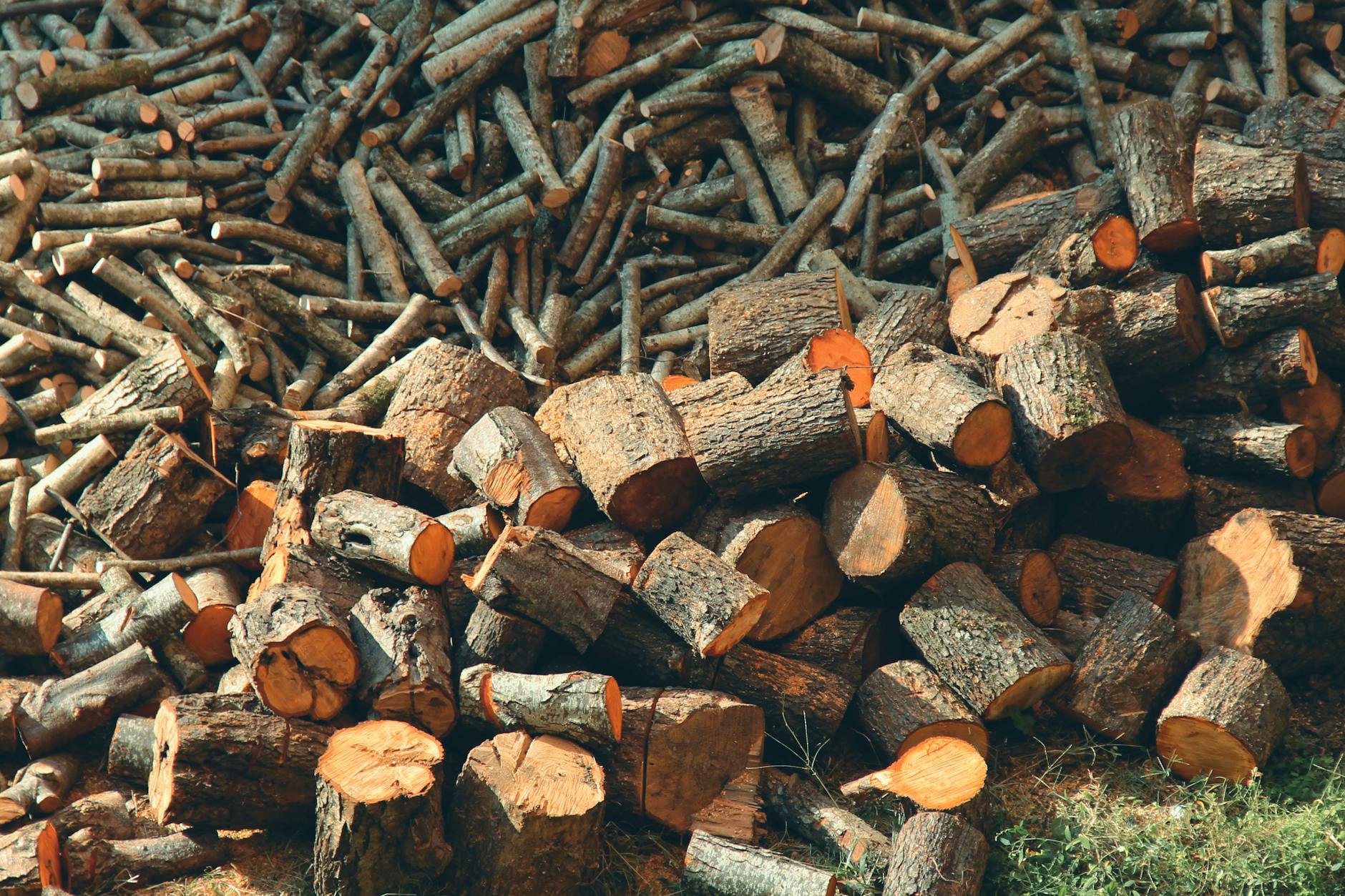
Last winter, I watched my woodpile shrink faster than I had planned for. A stretch of temperatures 15 degrees below average, two weeks longer than usual before the weather broke — and I was burning through my reserve at a rate I had not calculated. By mid-February I was rationing heat, burning less than I needed and wearing extra layers indoors to stretch what I had left. I had bought what I thought was enough wood. I had not done the actual math.
Running your numbers through the Firewood Calculator before the season starts takes ten minutes and can prevent weeks of living too cold. Here is how to use it.
Step 1 — Enter Your Home Details
The calculator starts with your home’s physical characteristics. Enter the total square footage of the heated living space. Then rate your insulation quality — poorly insulated older homes lose heat dramatically faster than a well-sealed modern structure. A 1,200 square foot house with poor insulation may need twice the wood of the same house with good insulation and weatherstripping.
If you are not sure about your insulation rating, think practically: do you have drafts? Do windows fog heavily in winter? Does the house cool down noticeably within an hour of the fire dying? Poor insulation is the answer if you said yes to any of those.
Step 2 — Enter Climate and Temperature Data
Input the average outdoor temperatures for your coldest months and the duration of your heating season. For most northern climates, the heating season runs 5 to 7 months. For more moderate climates, it might be 3 months of heavy heating with additional light-heating weeks on either side.
The calculator uses degree days — a measure of how far average daily temperature falls below 65°F — to calculate your actual heat demand. Colder climates with longer seasons need dramatically more wood. A home in Minnesota might need 4 to 6 cords per winter; the same home in Tennessee might need 1.5 to 2 cords.
Step 3 — Specify Your Stove and Efficiency
Not all wood stoves are equal. An EPA-certified modern wood insert runs at 75 to 85% efficiency. An older fireplace can be as low as 10 to 20% efficient — most of the heat goes up the chimney. The more efficient your appliance, the less wood it takes to produce the same amount of heat.
Enter your stove or fireplace type and its approximate efficiency rating. This single variable has a major effect on your calculated wood requirement.
Step 4 — Choose Your Wood Species
Different wood species have dramatically different heat outputs. This is measured in BTUs (British Thermal Units) per cord:
- Oak (white or red): 26-30 million BTU/cord — among the best heat producers
- Hickory: 27-28 million BTU/cord
- Ash: 23-24 million BTU/cord — burns well even slightly green
- Maple: 21-24 million BTU/cord
- Pine (eastern white): 14-15 million BTU/cord — burns fast, less heat
Using pine where oak is available means needing roughly twice the volume of wood for the same heat output. Enter the primary species you plan to burn, and the Firewood Calculator will adjust the cord estimate accordingly.
Pro Tip
Buy or cut your firewood in spring for the following winter. Green (freshly cut) wood needs 6 to 12 months to season properly. Wood with more than 20% moisture content burns inefficiently, produces excessive creosote (a chimney fire hazard), and delivers a fraction of its potential BTU output. A moisture meter costs under $20 and tells you when wood is actually ready to burn.
Step 5 — Review Your Output
The calculator produces your estimated cord requirement for the season, a cost estimate based on local average wood prices, and guidance on storage volume needed. One cord of stacked firewood takes up 128 cubic feet — roughly a 4x8x4 foot stack. Three cords needs 384 cubic feet of stacking area with good airflow on all sides.
Plan your storage before you buy. Running out of covered stacking space mid-delivery is a real problem.
Using Your Results
For broader context on off-grid heating systems and energy planning, the Complete Guide Off Grid Living covers heating, water, and power as an integrated system. If you are also managing off-grid electricity, the Size Solar Power System Off Grid guide covers how to calculate solar capacity needs with the same precision the firewood calculator brings to heating.
Run your numbers, buy your wood early, and stack it properly. February is a bad time to discover you calculated wrong.