Wilderness Survival
Master the skills to survive and thrive in any outdoor environment. Practical guides on navigation, shelter building, fire starting, and foraging.
Welcome to Wilderness Survival on Survivorpedia.com, your go-to resource for mastering the essential skills needed to thrive when you find yourself off the beaten path and in the wild. Understanding wilderness survival means knowing how to stay alive and comfortable in an environment where help is far away and resources are scarce.
At the heart of wilderness survival lies the rule of threes: prioritize your needs by understanding that you can survive only three minutes without air, three hours without shelter from extreme conditions, three days without water, and three weeks without food. This hierarchy guides your actions in a crisis situation, ensuring you focus on what's truly critical for immediate survival.
To effectively navigate these challenges, you'll need to develop core skills such as fire starting, shelter building, navigation, water sourcing, and signaling for rescue. Each of these skills is crucial but also builds upon the others, forming a comprehensive toolkit that increases your chances of survival significantly.
Building these skills progressively starts with learning the basics in controlled environments before moving on to more complex scenarios. Begin by mastering fire starting techniques using matches or a lighter, then transition to natural methods like flint and steel or friction-based tools. Next, focus on constructing shelters from available materials that provide protection against the elements. Navigation skills can be honed through map reading, compass use, and recognizing natural signs such as the position of the sun or stars. Water sourcing involves finding clean water sources and purifying them to prevent illness. Lastly, signaling for rescue includes understanding how to create smoke signals, reflect light with mirrors, or use distress flares effectively.
By gradually increasing your proficiency in these areas through practice and real-world application, you'll be better prepared when faced with unexpected challenges in the wilderness.
In this category, we delve into detailed guides on each of these core skills, providing step-by-step instructions, tips for improvisation, and scenarios to help you apply what you've learned. Whether you're a seasoned outdoorsman or new to survival techniques, there's always room to improve your knowledge and capabilities.

How to Identify Wild Berries Safely
Learn to identify safe wild berries like blueberries, raspberries, and elderberries with Jake Bridger's no-nonsense field guide to wild berry foraging.
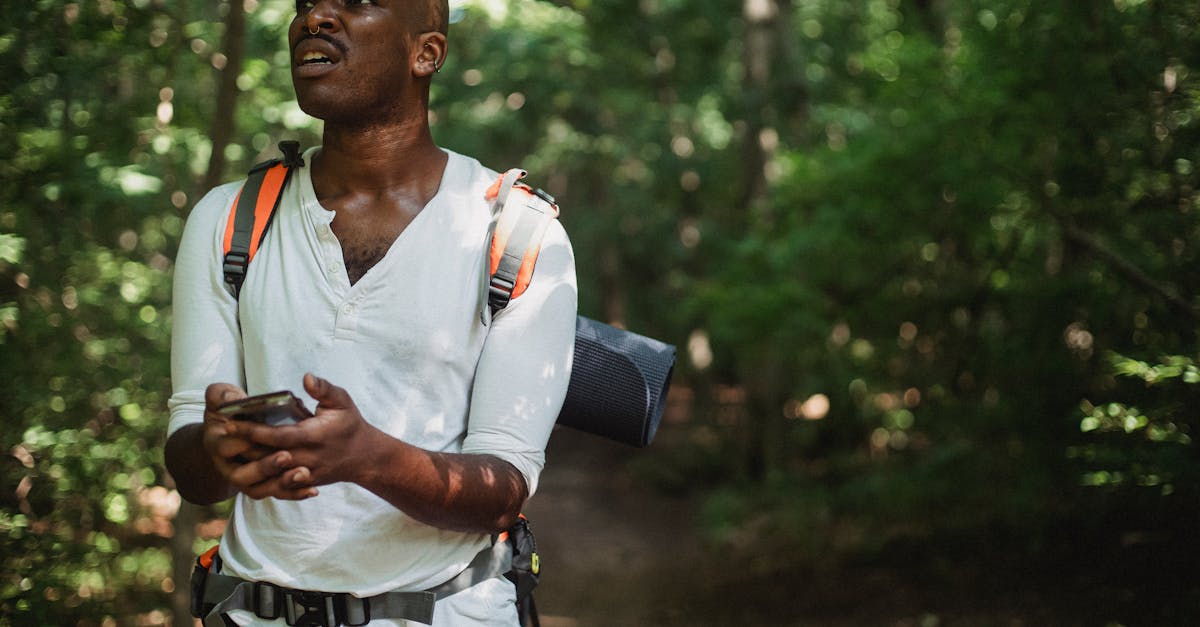
How to Use a GPS Device in the Backcountry
Zane Bridger breaks down how to actually use a handheld GPS device — waypoints, routes, battery math, and why your phone will let you down at mile 14.

Foraging Wild Edible Plants in America
Foraging guide covering 11 wild edible plants with ID tips, the universal edibility test, toxic lookalikes, and seasonal harvest timing.
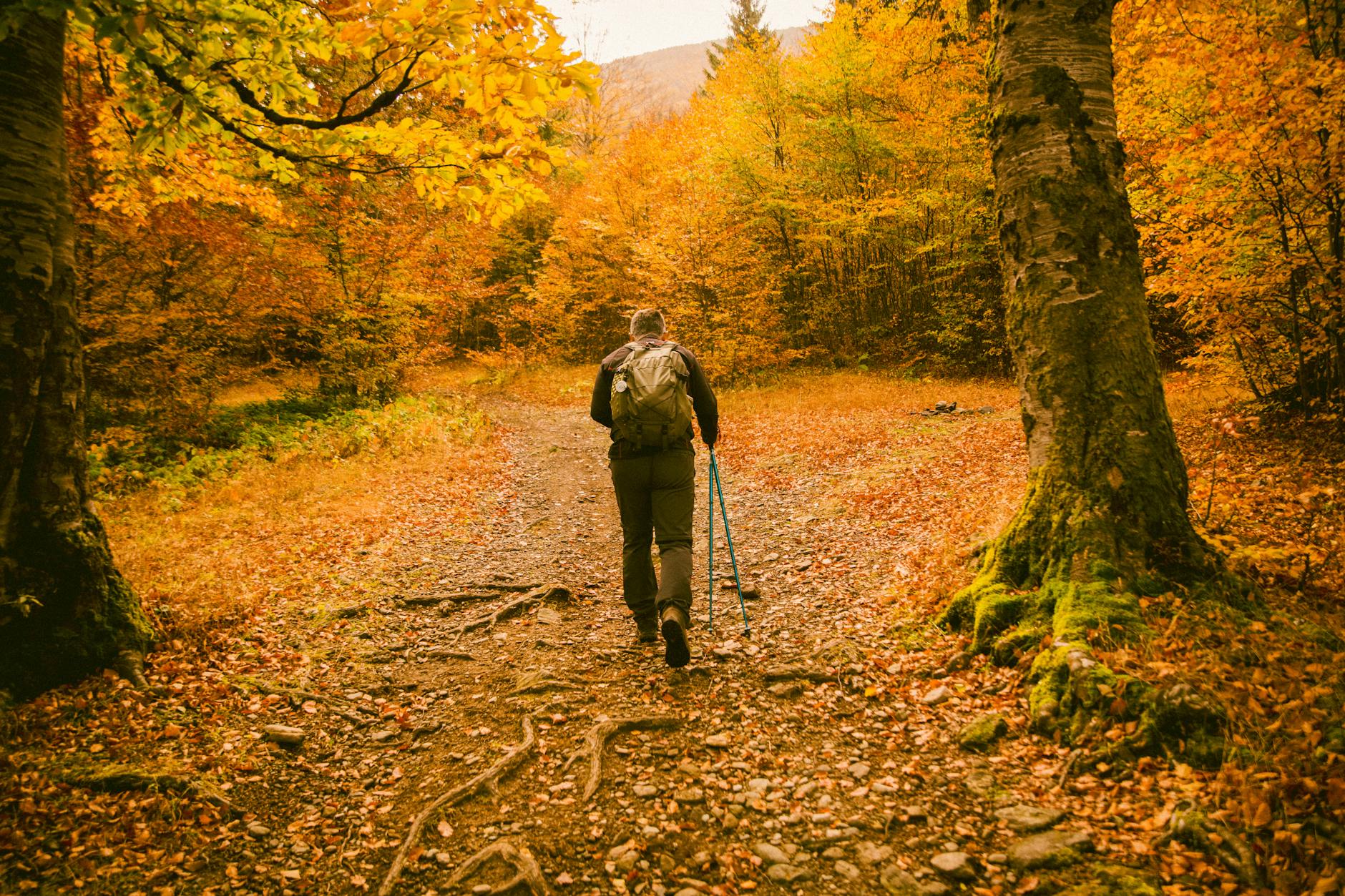
6 Gear Weight Mistakes That Slow You Down in the Field
These 6 gear weight mistakes turn a manageable pack into a burden that slows you down when every mile counts. Learn what to fix before your next trip.
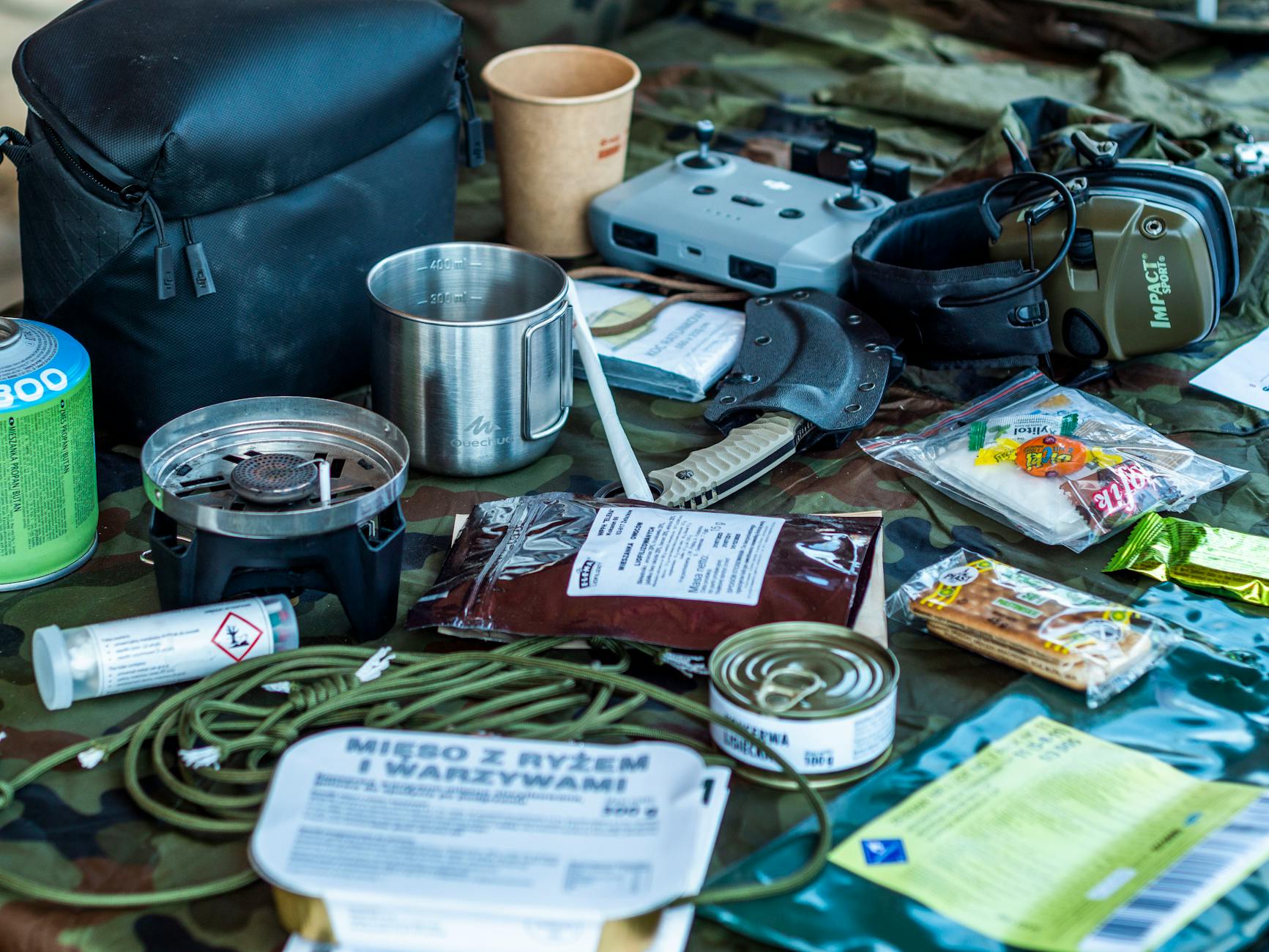
How Much Should Your Bug Out Bag Weigh?
The 10% rule is a myth. Learn real bug out bag weight ranges by fitness level, what the Big Three are, and your ideal pack weight.

How to Use the Gear Weight Calculator
Step-by-step guide to using the Gear Weight Calculator — enter your pack items and body weight to find out if you're carrying too much and what to cut.
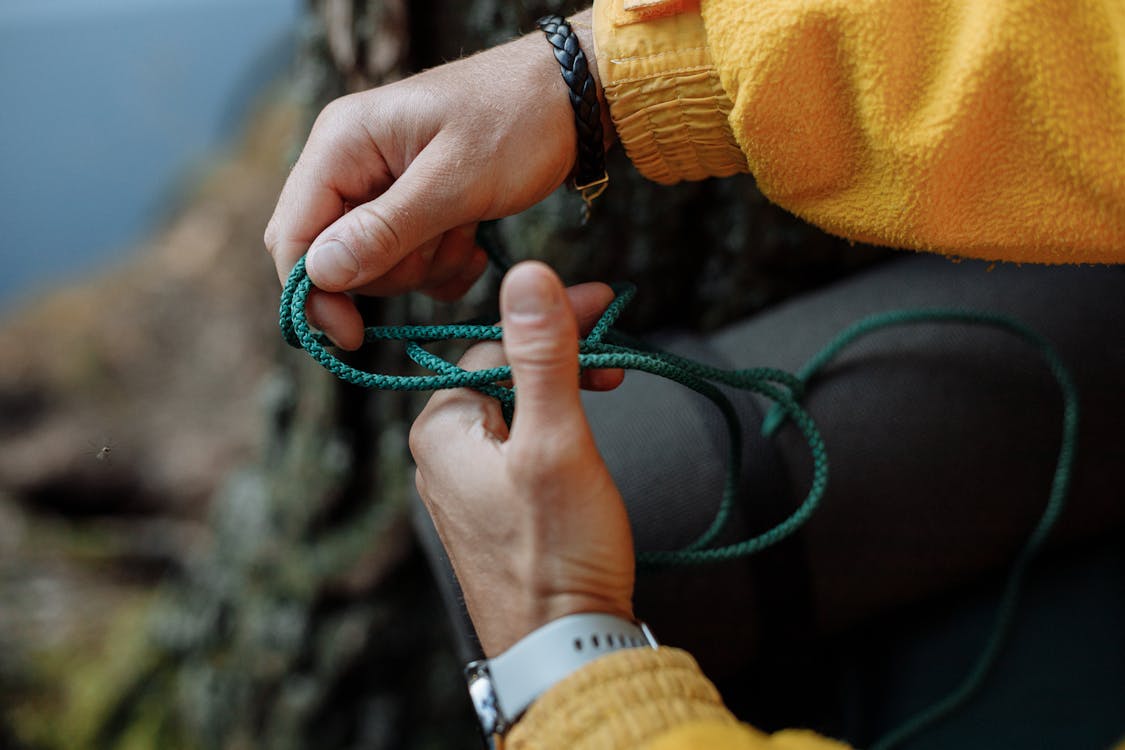
5 Knots That Actually Matter in a Survival Situation
Boone Bridger covers the five essential survival knots — bowline, clove hitch, trucker's hitch, taut-line, and figure-eight. No fluff. Just what works.
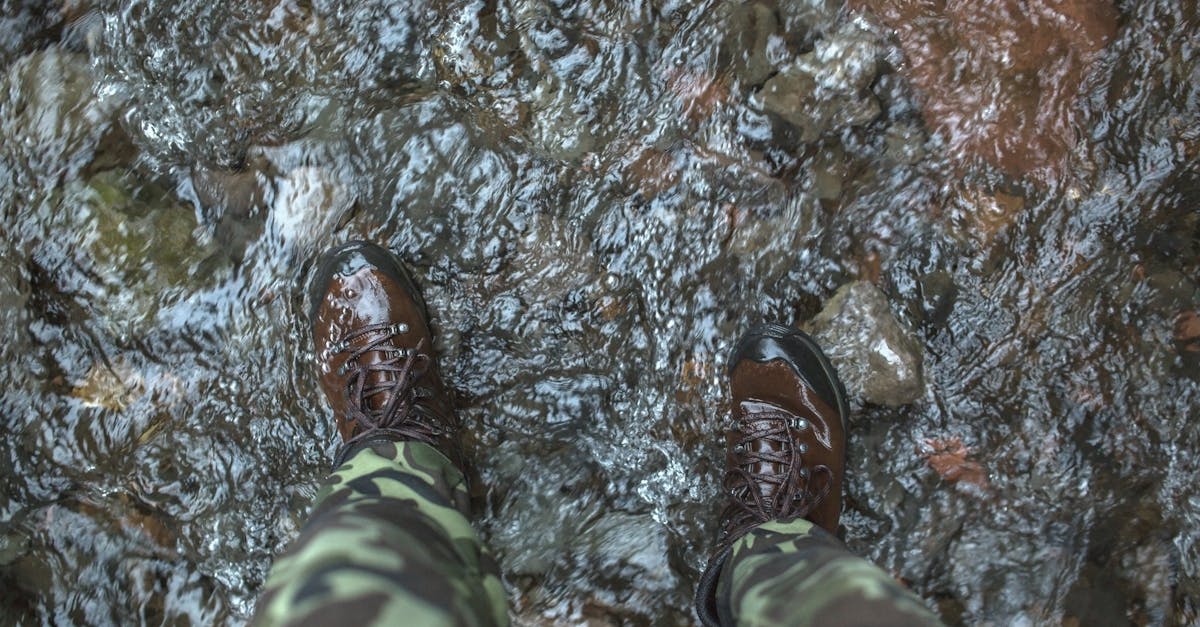
How to Cross a River Safely: What They Don't Tell You in the Manuals
Jake Bridger shares hard-won lessons on safe river crossings — reading current, choosing your line, and the techniques that keep you upright and alive.

Poisonous Plants That Kill: How to Identify and Avoid Them in the Wild
Jake Bridger breaks down the most dangerous poisonous plants in North America — what they look like, where they grow, and how not to die eating them.
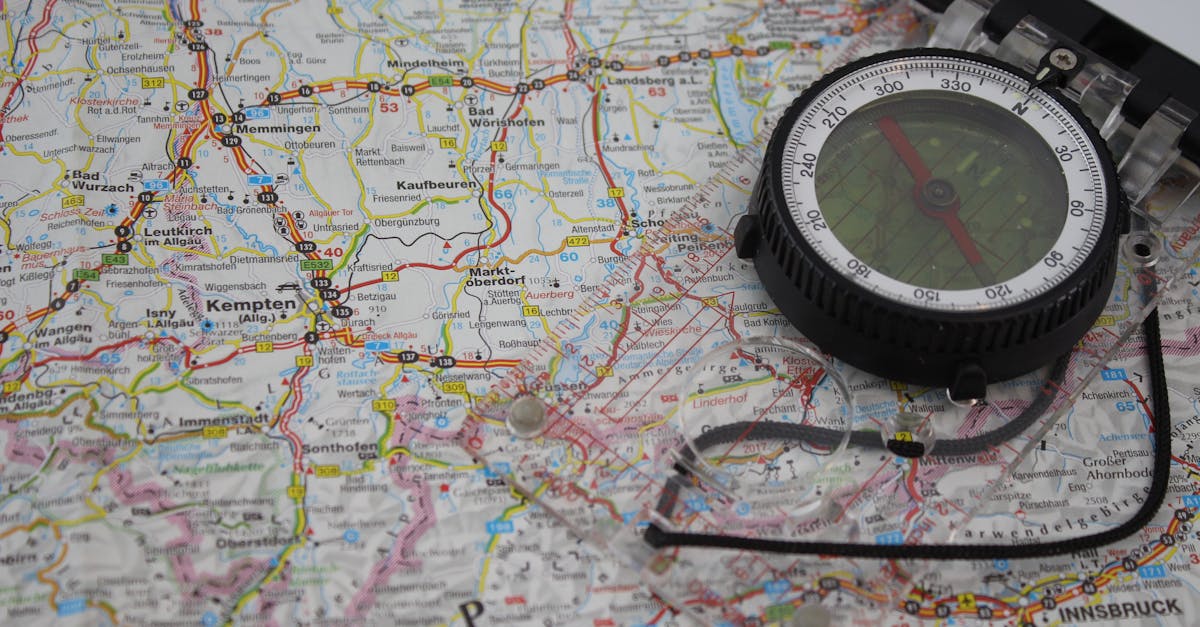
Land Navigation with Pace Count: Never Get Lost Without GPS
Zane Bridger breaks down pace counting for land navigation — the dead reckoning technique that lets you track exact distance traveled using only your legs.
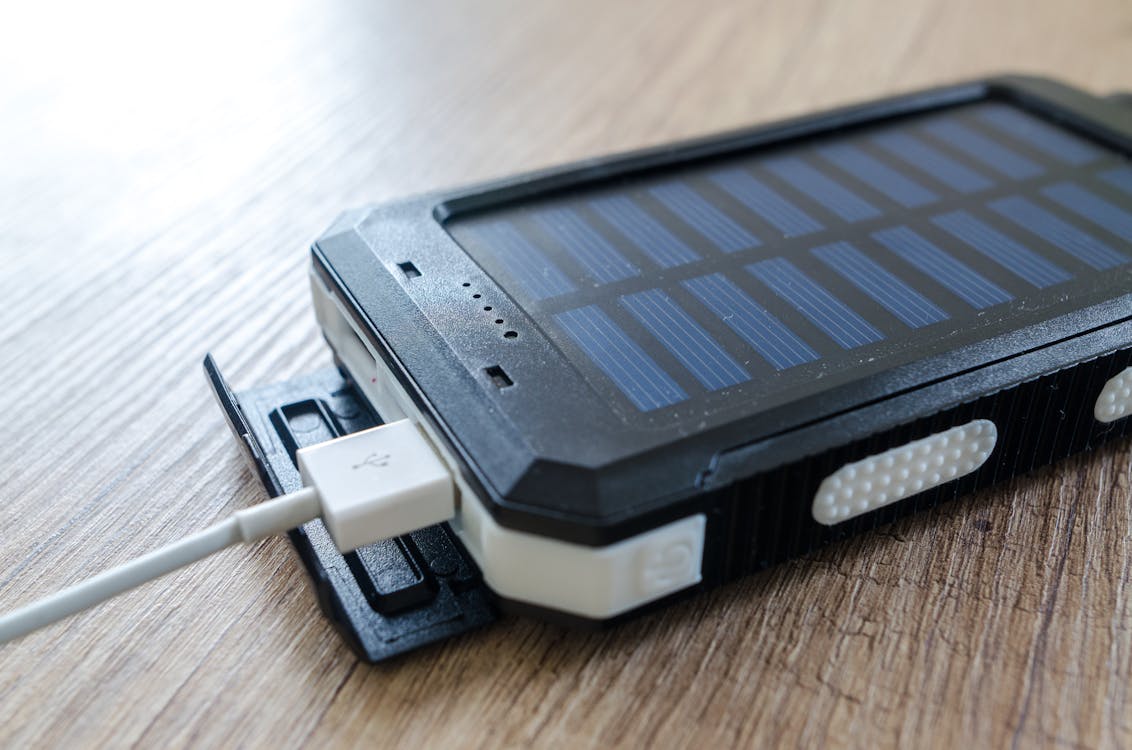
Portable Solar Chargers and Power Banks: Real Numbers
Portable solar panels and power banks compared with real wattage math, charging tests, and data-driven picks for keeping your gear alive off-grid.
Desert Survival: Water and Shelter When You Have Neither
Desert survival strategies for finding water and building shade shelter when you're stranded. Jake Bridger covers the decisions that keep you alive.
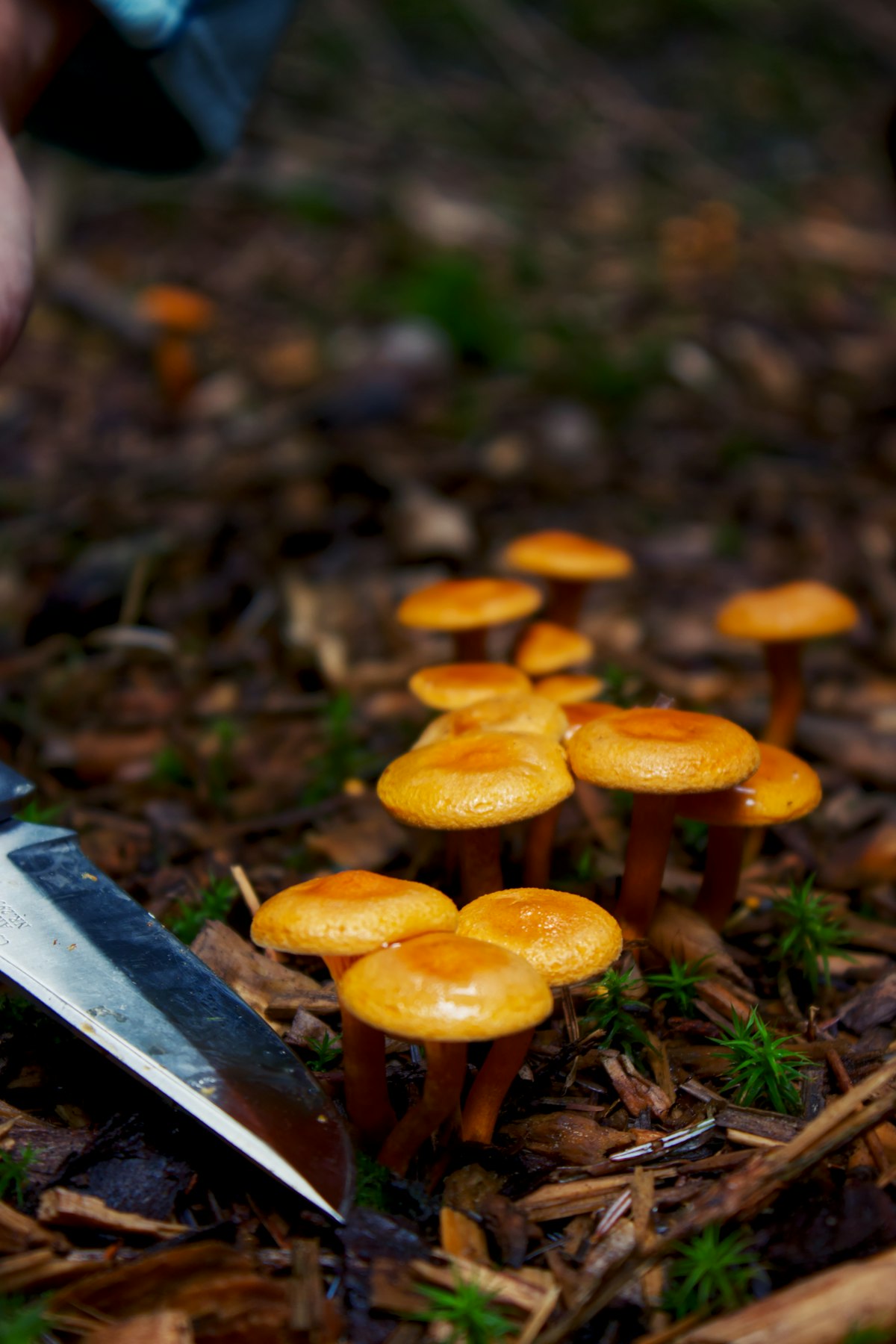
Edible Wild Mushrooms: 5 Safe Species for Beginners
Learn 5 beginner-safe wild mushrooms with no deadly lookalikes. Jake Bridger covers identification, harvesting, and the one rule you can't skip.
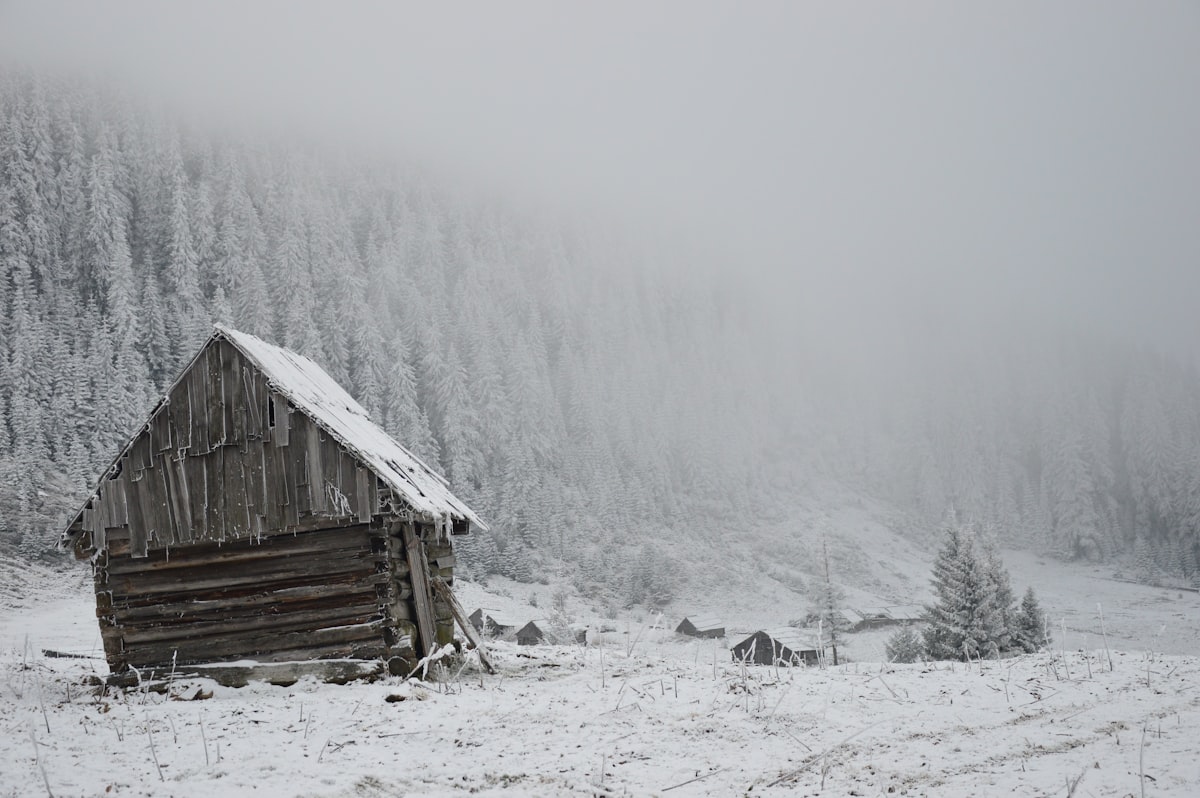
How to Signal for Rescue: 9 Methods That Actually Work
Signal mirrors, whistles, fire, and ground-to-air signals explained with real field experience. Know these before your next backcountry trip.
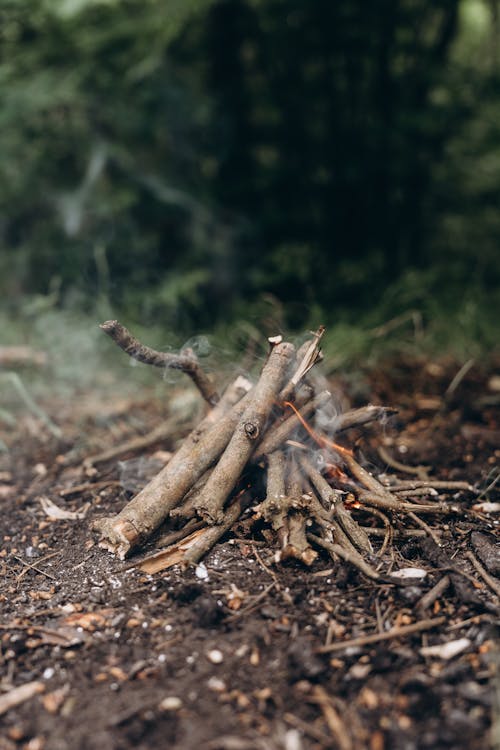
Best Fire Starters for Survival: What Actually Works
Tested survival fire starters ranked by real-world performance. Jake Bridger breaks down what's worth carrying and what'll leave you cold.
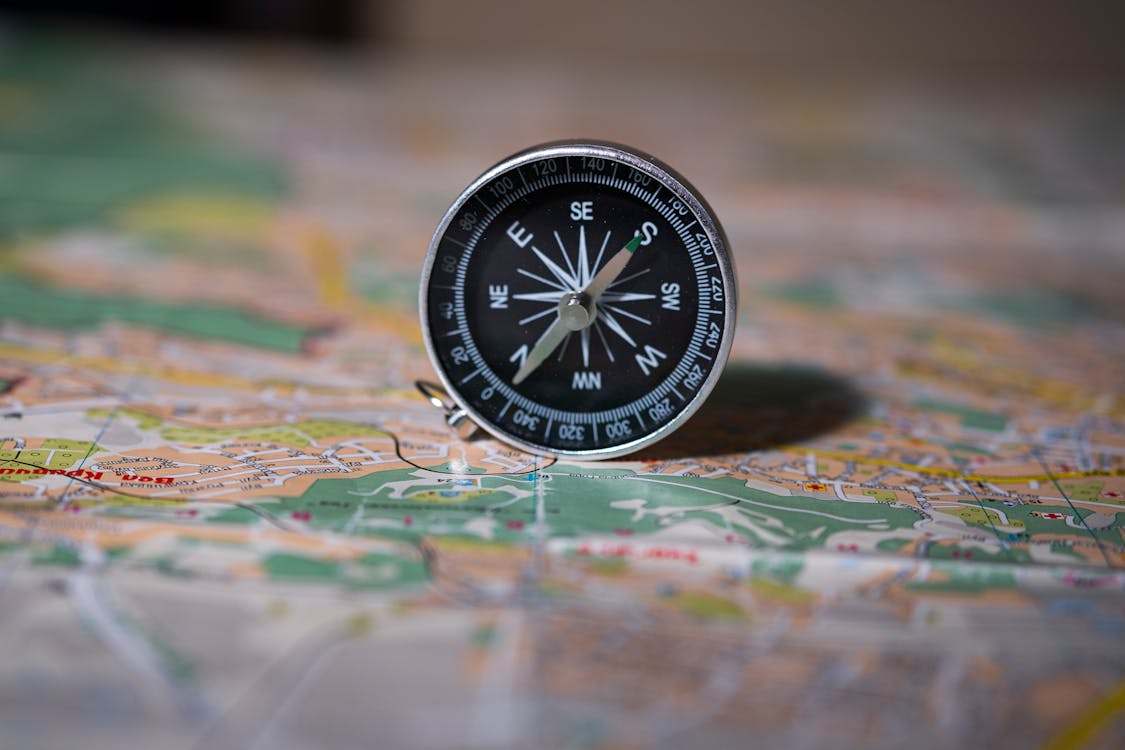
Best Survival Compasses Compared
Zane Bridger tests and compares top survival compasses by accuracy, durability, and usability. Data-driven picks for navigation that never runs out of battery.

Celestial Navigation: Navigate Using Stars
Zane Bridger explains how to navigate using stars in the wilderness — Polaris, star patterns, and practical methods that work without any equipment.
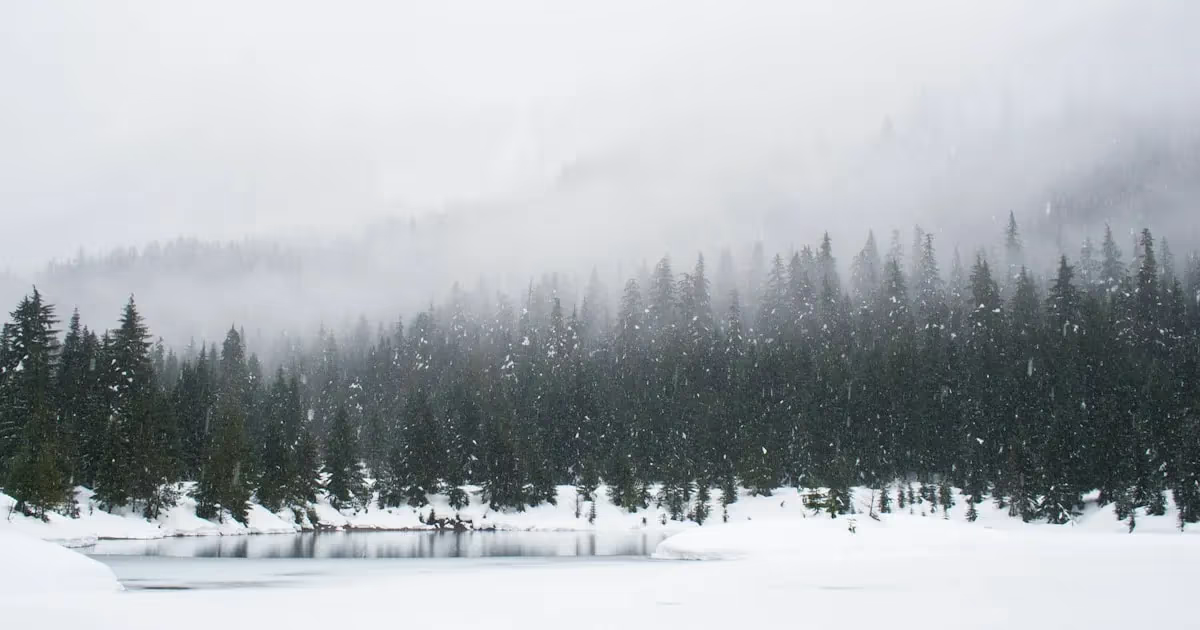
Cold Weather Survival: Avoiding Hypothermia
Cold weather survival and hypothermia prevention from someone who learned the hard way. Layering, shelter, fire, and the mistakes that nearly killed me.
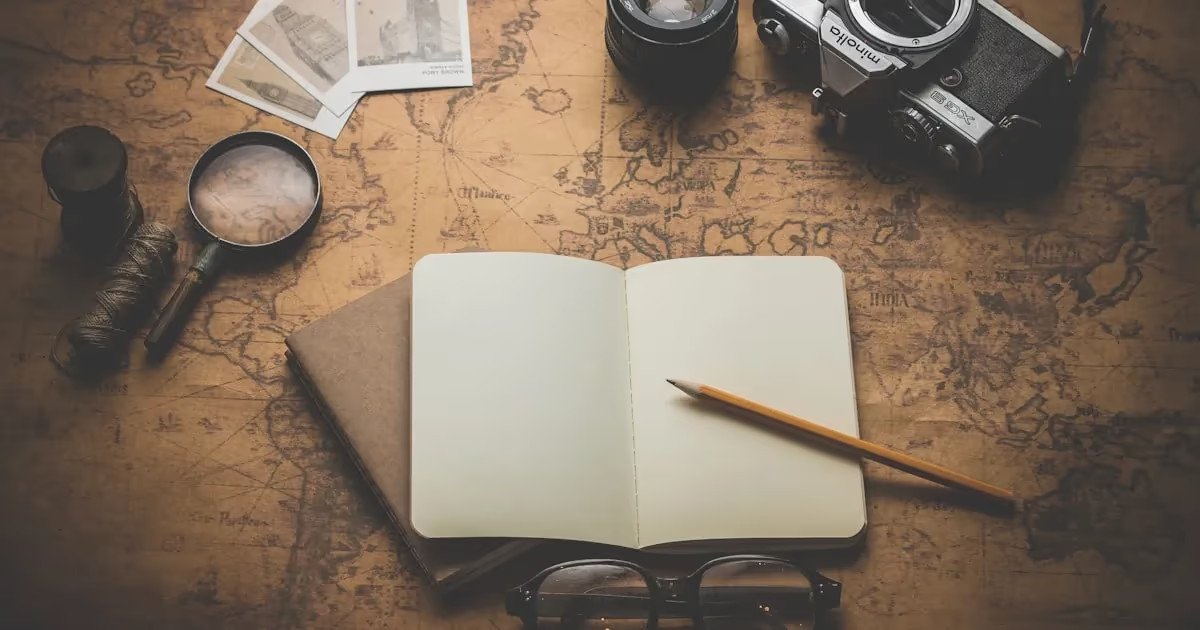
How to Read a Topographic Map
Learn to read a topographic map for wilderness navigation. Contour lines, elevation, terrain features, and tips from someone who got lost without one.
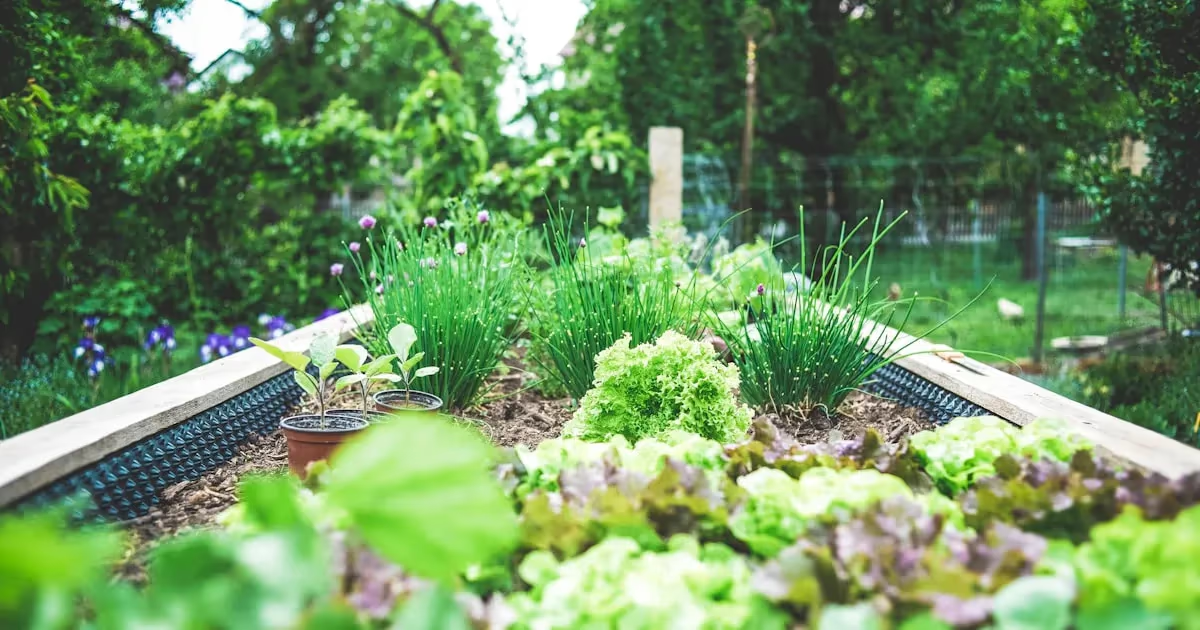
Edible Wild Plants: A Beginner's Guide to Foraging Safely
Learn to identify common edible wild plants with a beginner-friendly foraging guide. Real field experience, not textbook botany.
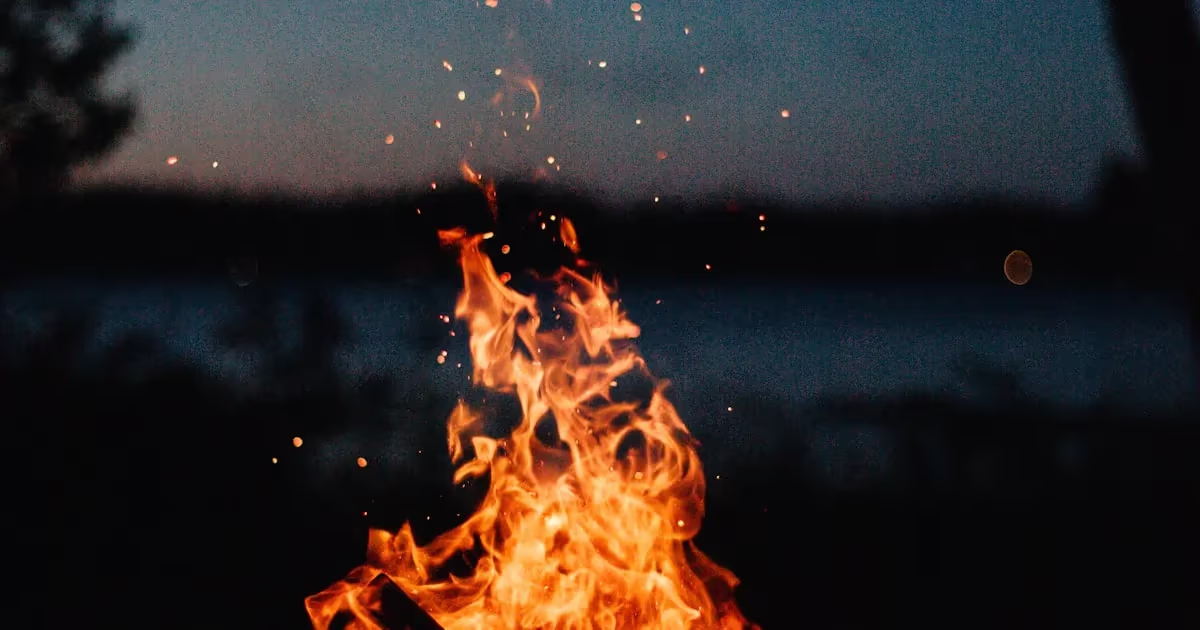
How to Start a Fire Without Matches
Learn 7 real ways to start a fire without matches or a lighter. Tested methods from someone who's failed at most of them first.
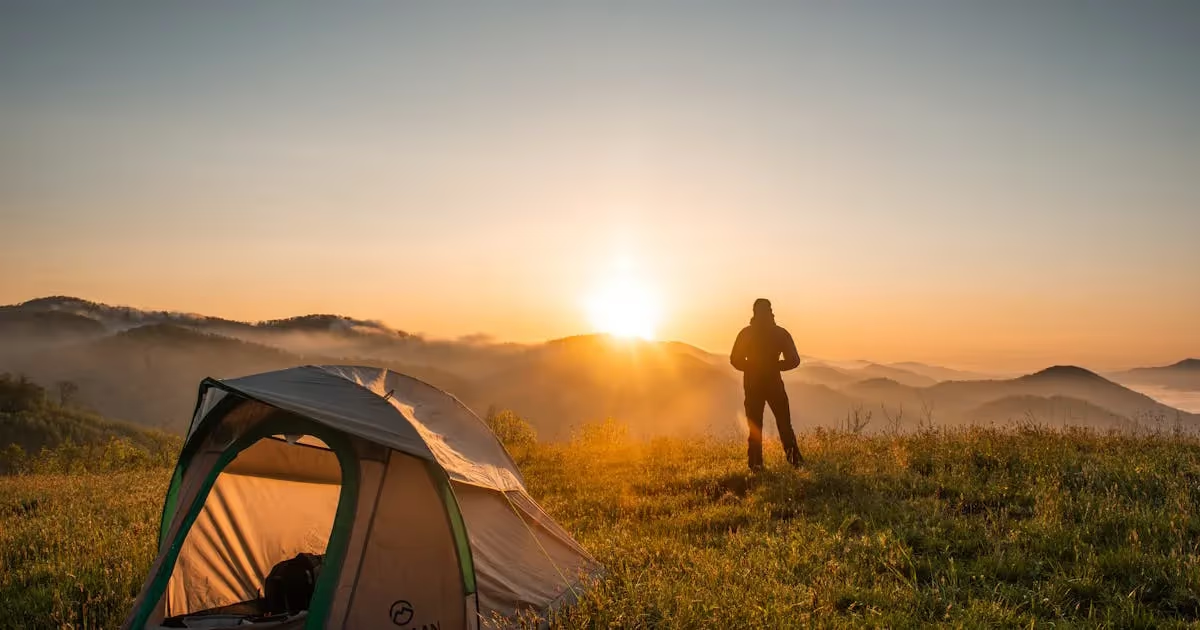
How to Build an Emergency Shelter: 5 Methods
Learn 5 proven emergency shelter designs for wilderness survival. Practical instructions from someone who's built them in rain, snow, and wind.
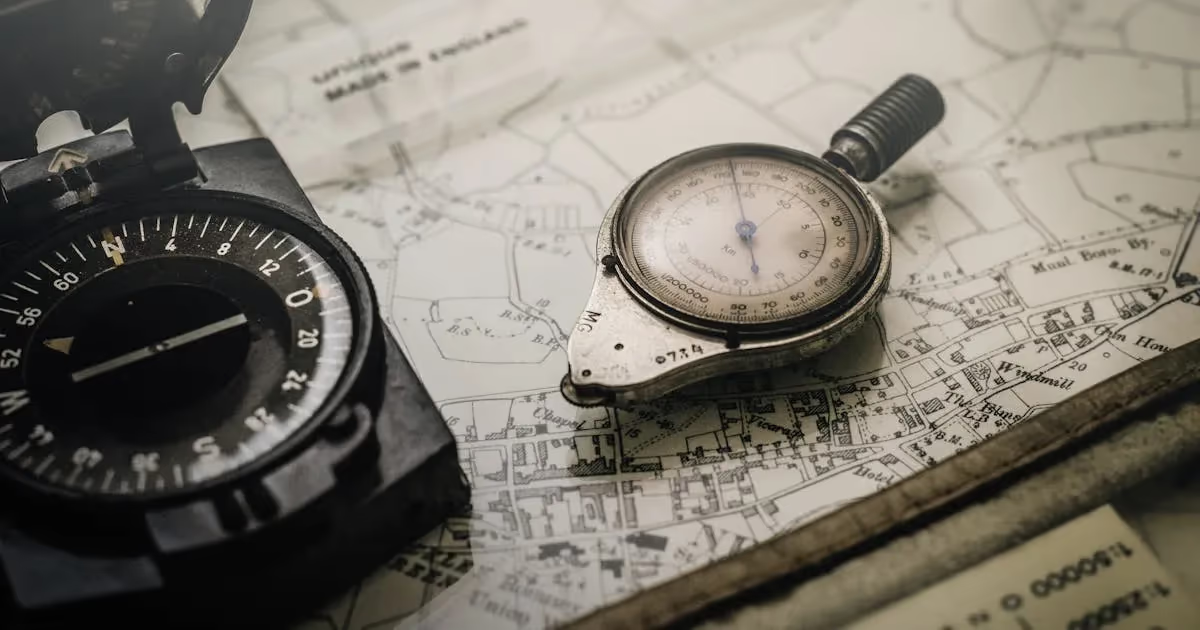
Wilderness Navigation Without GPS
Learn how to navigate the backcountry without GPS using map and compass skills, natural navigation cues, and hard-won lessons from someone who's been lost.

Water Purification in the Wild: 7 Methods
Master 7 proven water purification methods for wilderness survival. From boiling to UV treatment, learn which method works best in every situation.
Frequently Asked Questions about Wilderness Survival
What is the most important skill in wilderness survival?
How do I find water in the wild?
What should I carry with me on a survival trip?
Can I eat plants found in the wild without knowing what they are?
How do I build a shelter quickly if caught out in bad weather?
Stay Updated on Wilderness Survival
Subscribe for more wilderness survival content, gear reviews, and expert tips delivered to your inbox.
Subscribe for More Wilderness Survival Content