This article contains affiliate links. We may earn a small commission if you purchase through these links, at no extra cost to you.
August. Bitterroot Valley, third day out. I was already annoyed because a squirrel had somehow gotten into my pack while I was filtering water and eaten two of my four energy bars. Not taken them, eaten them — left the wrappers right there on my sleeping bag like he wanted me to know.
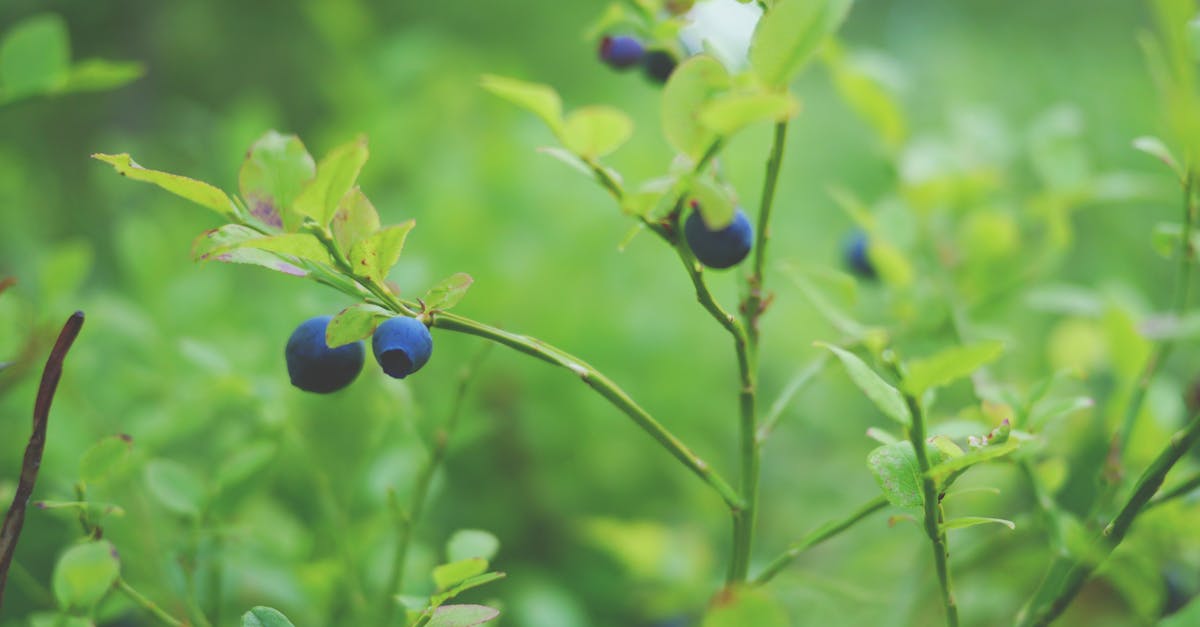
Then I found the huckleberries. Big patch at about 6,000 feet, right alongside the trail — loaded up, deep purple, so heavy on the stems some of the low branches were bent down. Sat down and just started eating. Some bird was making noise in the trees above me. I chose to believe it was the squirrel, watching. I chose to believe I was winning that argument.
I knew those were huckleberries because I’d spent years learning the difference — not from a course or a book, originally. My old man showed me. His dad showed him. At some point in that chain there was a guy who couldn’t afford to be wrong about it. That context matters more than people realize when you’re standing in front of a berry you’ve never seen before.
Table of Contents
- Why Start With Berries
- The Big Five: North American Wild Berries Worth Eating
- The Dangerous Lookalikes
- Building Real ID Confidence
- Rules I Don’t Break
- How People Get Into Trouble
Start with our edible wild plants beginner’s guide if you haven’t yet — it gives you the mental framework that makes everything here click faster.
Why Start With Berries
There’s a version of this hobby where you try to learn everything — mushrooms, roots, bark, greens, berries — all at once. I’ve watched people do it. They go home with a stack of field guides and come back six months later not knowing any of it well enough to actually eat anything. Jack of all foraging, master of none.
Berries are the right entry point. Not because they’re easy — some of the lookalikes are genuinely dangerous, and I’m not talking about an upset stomach. Pokeweed berries have killed people. Baneberry sends you to the ER. But the major edible species are visually distinct enough that if you focus on just a handful of them, really learn them, you can get solid confidence faster than with any other foraged food. And every summer you’ll find them again, reinforcing what you know.
That said — and I mean this — “solid confidence” in berry ID is not the same as “pretty sure.” Learn the difference before you eat anything.
The Big Five: North American Wild Berries Worth Eating
I’m not going to tell you to go study 40 species. Five is enough to get you fed for years. These are the ones I’d start with because they’re widespread and distinct enough that a trained eye can call them reliably.
Wild Blueberries and Huckleberries
Technically different species — Vaccinium covers blueberries, Vaccinium membranaceum is the mountain huckleberry — but the identification approach is identical, and eating one when you thought it was the other is a fine outcome. My concern is the other purple berries out there, which is why I have one check I do reflexively now: flip the berry over.
Look at the base — the end opposite the stem, where the flower used to be. Blueberries and huckleberries have a little five-pointed scar there, almost like a star. The calyx scar, technically. Pokeweed is purple-black too and grows in some of the same areas, but its berries have a flat scar, no star shape. That one check has never failed me as a first filter. It doesn’t complete your ID, but it cuts out the most dangerous confusion right away.
The shrubs stay low — usually knee-height, sometimes shorter in alpine spots. Berries come in clusters. Leaves are small, oval, slightly waxy, with a faint tooth along the edges. They want acidic soil, which means conifer country, burned ground, old alpine meadows. Rocky Mountain backcountry in August, you’re probably walking past patches without noticing.
The crown check
Wild blueberries and huckleberries have a five-pointed crown (calyx scar) on the bottom — the end opposite the stem. Pokeweed berries, which are toxic, have a flat scar without the star shape. This is your fastest field check when you find a dark purple berry you’re not immediately sure about.
Wild Raspberries
I’ve introduced more people to foraging through raspberries than anything else, mostly because the conversation is short. You: “Does it look like a raspberry?” Them: “Yeah.” You: “Does it pull off cleanly leaving a hollow center?” Them: “Yeah.” You: “Eat it.”
The hollow core — where the berry separates cleanly from a little white plug called the receptacle — is the defining feature of raspberries and their relatives. No other wild berry in North America does that. If the berry comes off hollow, you’re in the right family.
Red raspberries (Rubus idaeus) are the most common. Black raspberries (Rubus occidentalis) look almost identical but ripen dark purple to black and have a distinctive dusty, blue-grey waxy bloom on the canes. Canes themselves are bristly — covered in fine prickles that won’t draw blood the way blackberry thorns will. They grow in disturbed areas: logging roads, old fields, anywhere the canopy has opened up. Find a good patch and it’ll be there every year.
Blackberries
Same family as raspberries, different ID logic. The berry doesn’t pull off hollow — it stays attached to the receptacle. If the center comes with it, it’s a blackberry. The thorns are a clue too; they’re aggressive and recurved, the kind that hook into your sleeve and won’t let go. Canes arch over and root where they touch the ground, so the thickets spread fast.
Blackberries ripen after raspberries — late summer into fall depending on latitude. Bigger berries, bigger plants. They’ll grow 6 feet tall in good conditions. Once you’ve found a patch, mark the spot. That location will produce for decades.
Elderberries
This one takes more work to learn, but it’s worth it. The berries themselves grow in large, flat-topped clusters — the technical term is corymbs — on tall woody shrubs that can get 10 or 12 feet high. Small berries, dark purple to black, with a slight dusty bloom. The leaves are compound, meaning each leaf is made up of 5 to 9 smaller leaflets. Those flat berry clusters on compound-leaved tall shrubs are pretty distinctive once you’ve seen them a few times.
Raw elderberries will make you sick. The stems and unripe berries have cyanogenic glycosides — basically compounds that convert to cyanide in your gut, which is not a great situation. Cook the ripe berries. Simmer them into syrup, juice, or jam. The heat breaks down those compounds and what’s left is one of the best-tasting wild foods I know.
Also worth knowing: the red elderberry (Sambucus racemosa) found at higher elevations is different. Its berry clusters are cone-shaped, not flat. Some sources say it’s edible cooked. I personally leave it alone because the ID is close enough to the rest of the elderberry family that I’d rather not guess. Your call.
Never eat raw elderberries
Raw ripe elderberries and especially unripe ones contain compounds that will make you seriously ill. Cook them first — heat breaks down the problematic chemistry. Cooked elderberries are excellent. Raw elderberries are a bad evening.
Serviceberries
June and July, before most other wild berries are anywhere near ripe, serviceberries are already done and waiting for you. Amelanchier species grow on shrubs or small trees, flower white in early spring, and produce small berries that look almost exactly like blueberries — same size, same color range (reddish to dark purple when ripe), same five-pointed crown on the bottom.
Taste varies a lot by species and location. The serviceberries I’ve found in creek drainages in the Rockies are genuinely sweet and good. The ones growing in drier lower-elevation spots tend to be mealy and bland. Either way, they’re safe, and they’re there early in the season when options are limited.
The edible wild mushrooms guide covers species that fruit around the same time — worth pairing those two into one learning season.
The Dangerous Lookalikes
You need to know these. Not as a vague concept, but actually know them — what they look like in person, in your region, in the habitats where you’ll encounter them.
Pokeweed (Phytolacca americana): Hard to miss once you know it. This thing gets huge — 6 to 9 feet is common, the stem turns bright magenta-red in maturity, and the berries grow in elongated grape-like clusters. Dark purple, similar color range to elderberries. Every part of this plant is toxic, and the ripe berries have caused deaths. The differences from elderberry: pokeweed stems are fleshy and hollow, not woody; the berry clusters droop and elongate instead of forming flat corymbs; the leaves are simple, not compound. They’re actually not hard to tell apart once you’ve seen them both.
Nightshade (Solanum spp.): Various species across North America. Berries are small, round, and ripen from green through red to black in some species — the variation confuses people. They grow in loose clusters on a plant that smells noticeably bad when you crush a leaf. The unpleasant smell is actually a useful field cue.
Baneberry (Actaea spp.): Comes in red and white varieties. The white form — sometimes called “doll’s eyes” — has a distinctive dark dot on each berry that gives it that name. The red form can look superficially like some fruiting woodland plants. These grow on compound-leaved plants in shaded forests. Highly toxic. The white variety is hard to confuse with edible species; the red is worth specifically memorizing.
White berries are almost always a no
With very few exceptions, white or pale berries on North American wild plants are either mildly or severely toxic. Snowberries, baneberry, white mistletoe, white poison oak — none are worth experimenting with. The edible exceptions are obscure enough that for practical purposes: skip white berries until you have a positive ID from someone who knows the specific plant.
Building Real ID Confidence
Here’s what I tell people who want to learn this: reading is how you prepare, but the actual learning happens in the field, with a real plant in front of you.
I took my middle kid out last July looking for raspberries along an old logging road near the house. He’d read about them. He could describe the hollow core, the prickles, the compound leaves. Knew it cold. First plant we found, he still wasn’t sure — had to pick one and check it three times before he’d commit. By plant number four, he was calling them without thinking. By plant twelve, he was finding them before I was.
That’s how it works. There’s no shortcut that replaces repetition with the actual plant. What you can do is make the repetition count faster.
A good field guide helps — I’ve used the Audubon Society Field Guides for years. Samuel Thayer’s Nature’s Garden is more detailed and doesn’t repeat the same myths every other book does. Worth owning both.
Pick one species per season. Not five. One. Learn where it grows in your area, what the plant looks like in spring before the fruit shows up, what the fruit looks like at different stages of ripeness, and what the canes or stems look like after the season. Build that complete picture before you move on.
Rules I Don’t Break
Three things, non-negotiable.
I don’t eat anything I’m not certain about. Not 80% sure. Not “probably.” The standard is: can I name three separate ID features that I’ve verified, and are none of them ambiguous? If I have to hedge, I don’t eat it. What I do instead is note the location and come back when I can bring someone who knows, or when I’ve done more homework.
I start small. Even correctly identified berries in large quantities can cause problems. Sorbitol is in a lot of wild fruit — serviceberries are high in it — and your gut has limits on how much it can process before things get uncomfortable. The first time with any species, eat a handful. Wait. See how your body responds.
I don’t use birds as a safety indicator. People say “birds are eating it, so it’s safe for me.” That’s wrong. Cedar waxwings can process certain berry compounds that would put a person in the hospital. Robins eat nightshade. The biology doesn’t transfer.
Also worth reading before you go out: our complete foraging guide. Knowing what’s dangerous — in your specific region, at the time of year you’re foraging — makes the whole identification process more confident.
How People Get Into Trouble
Mostly, people don’t make catastrophic errors. What happens more often is a cascade of smaller mistakes.
Trusting color as the primary identifier is the most common one. Color helps, but it’s the last thing you look at, not the first. There are toxic red berries and safe red berries. Same with black and purple. Every other feature — leaf shape, stem structure, habitat, growth form — tells you more than color does.
Not learning the whole plant is a version of the same problem. You identify a berry in August, eat it, feel fine, come back the following June and can’t find the same plant because you never learned what it looked like before fruiting. Or you can’t remember exactly which species you confirmed because you only looked at the fruit. Learn the plant across all its stages: flower, leaf, stem, fruit, and even the dormant winter cane or stalk if you can.
Eating too much of anything new — covered above, but worth repeating. Even safe berries in volume cause digestive problems. The first season with any species, be conservative.
The other thing: trusting someone else’s confident wrong identification. I’ve met people who’ve “known” what a plant was their entire life and been completely wrong. Verify everything yourself, with primary sources, before you eat it.
The only rule that matters
Don’t eat any wild plant — berry or otherwise — unless you can confirm the identification with multiple characteristics checked independently. “It looks edible” is not identification. Learn the plant. Confirm the features. Then eat it.
The huckleberries in the Bitterroot that August tasted better than anything from a store. That’s not nostalgia talking — wild fruit at peak ripeness in the right conditions genuinely is better. But I was eating them without hesitation because by that point I’d confirmed that species probably two hundred times across a decade. The confidence wasn’t casual. It was built.
Build it before you need it. That’s the whole game.
Test yourself with the wilderness survival basics quiz when you’re ready — it covers foraging alongside navigation and shelter, which is how those skills actually work in the field.