This article contains affiliate links. We may earn a small commission if you purchase through these links, at no extra cost to you.
My neighborhood lost power for 72 hours during a winter storm a few years back. No heat. No lights. Refrigerator warming up. By the end of day one, I had discovered every gap in my prep simultaneously — no working flashlights, a generator I had never tested that would not start, no alternative heating, and not a dollar of cash in the house when I needed to buy supplies from the one store that was still open. All of those mistakes were fixable before the storm. None of them were fixable during it.
Here are the seven most common power outage prep mistakes — and what to do about each before the next one hits.
Mistake 1 — No Backup Power Plan at All
The most common mistake is having no plan at all. Many households assume outages will be short enough to manage through — and sometimes they are. But extended outages of 48 to 72 hours or more happen regularly across most of the United States, especially during winter storms, hurricanes, and heat events that strain the grid.
A backup power plan does not need to be expensive. It starts with a realistic assessment: what do you actually need powered, and for how long? Use the Power Outage Calculator to run those numbers before a storm, not after.
Mistake 2 — Buying an Undersized Generator
A 1,000-watt generator sounds like a lot until you realize your refrigerator draws 400 to 600 watts at startup surge, your furnace fan uses 800 watts, and your lights add another 200. An undersized generator trips its own overload protection before everything you need is actually running.
Calculate your actual load using the Power Outage Calculator, then add a 20% buffer for startup surge loads. Most households running essential appliances need at least 3,500 to 5,000 running watts from a generator. Buy for your real needs, not your optimistic guess.
Mistake 3 — Not Testing Backup Equipment Before the Emergency
A generator that sits in the garage for two years without being started will frequently fail to start when you need it. Fuel degrades, carburetor gum deposits form, oil gets contaminated. Same principle applies to battery banks, solar setups, and even flashlights with batteries left inside (they corrode).
Run your generator for at least 30 minutes every 3 to 6 months. Test every flashlight, lantern, and battery-powered device before winter storm season. Rotate fuel and use fuel stabilizer in stored gasoline. Testing takes an hour of time once per season. Discovering equipment failures in a real outage costs far more.
Mistake 4 — No Alternative Lighting Plan
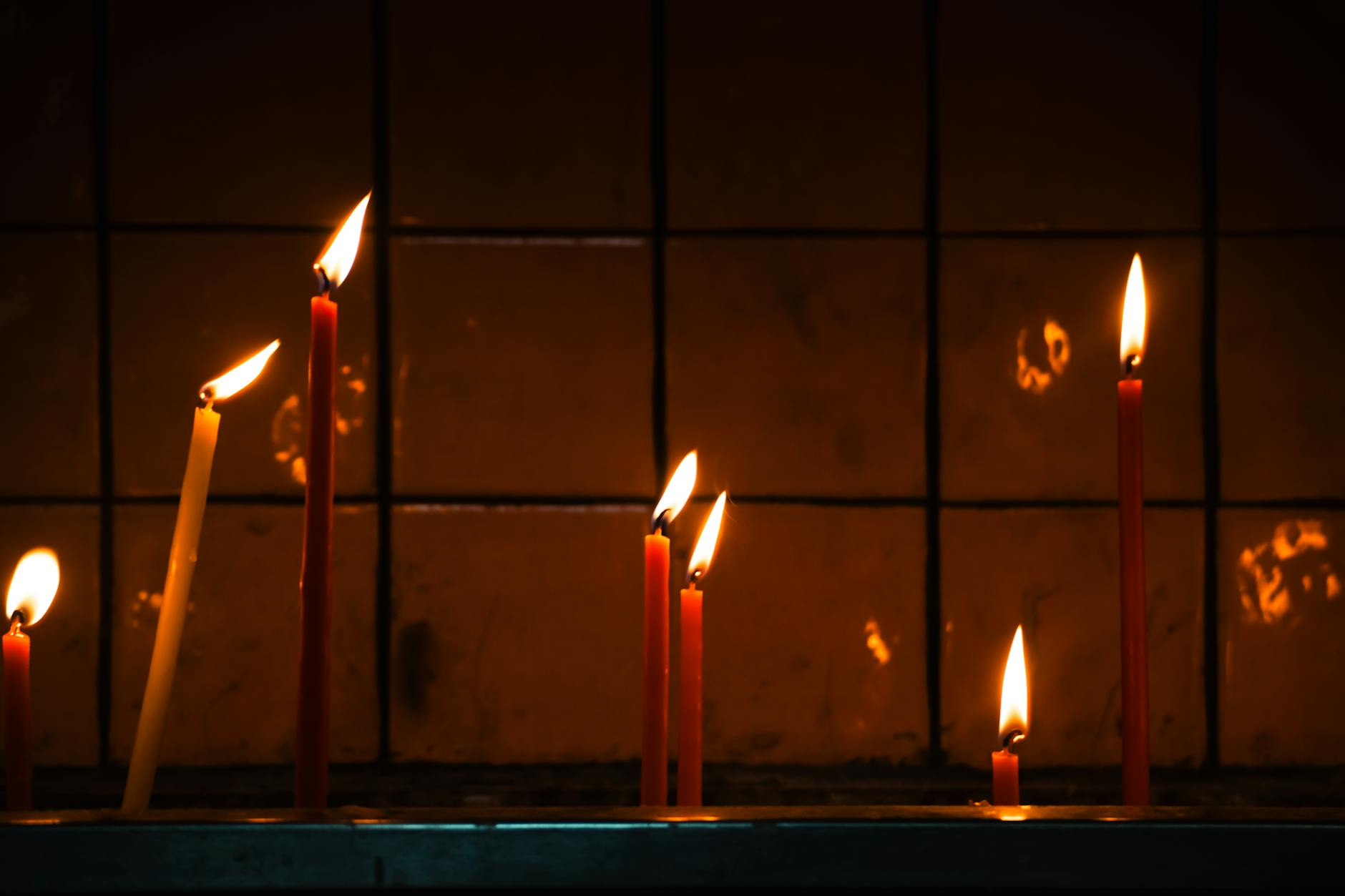
Candles provide light but are a fire hazard and produce almost no usable illumination for reading, cooking, or moving around safely in the dark. A single candle produces roughly 12 lumens. A modern LED headlamp produces 200 to 600 lumens and runs for 30+ hours on AA batteries.
Every person in a household should have their own headlamp — not one shared flashlight for everyone. Battery-powered LED lanterns for rooms are a much safer alternative to candles. For a comprehensive look at outage lighting options, the Emergency Lighting Power Outage guide covers products and strategies in detail.
Mistake 5 — Forgetting Medical Devices That Need Power
CPAP machines, oxygen concentrators, insulin pump coolers, home dialysis equipment, nebulizers — all of these are life-critical devices that need reliable power. They are also frequently the last thing people think about when planning for an outage.
If anyone in your household uses powered medical equipment, that device needs to drive your backup power sizing — not get squeezed in around other loads. Contact your utility company about registering as a medically dependent customer (many utilities have priority restoration programs). Talk to your healthcare provider about backup protocols. And ensure your generator or battery backup can handle the load.
Mistake 6 — Running a Generator Indoors
This kills people every year. Carbon monoxide (CO) is odorless, colorless, and lethal in concentrated doses. A generator running inside a garage, even with the door open, can push CO levels to dangerous concentrations within minutes.
Important
Carbon monoxide poisoning from indoor generator use kills approximately 70 people per year in the United States during storm-related power outages. Never run a generator inside your home, garage, basement, or any attached structure. Place it at least 20 feet away from windows, doors, and vents. Install battery-operated CO detectors on every floor.
Mistake 7 — No Cash on Hand When Electronic Payments Fail
When power goes out at scale, ATMs stop working. Credit card terminals go offline. Gas stations that are still open cannot process payments. The hardware store still selling generators for cash may not accept your card.
Keep at least $100 to $200 in small bills in a secure location at home. Not for normal spending — specifically as emergency cash for power-out purchases. This is inexpensive insurance that has been relevant in virtually every major regional power outage in recent history.
Fixing all seven of these mistakes requires a few hours of planning and a modest equipment investment. But each one left unaddressed is a real liability the next time a storm rolls through and the lights go out for three days.