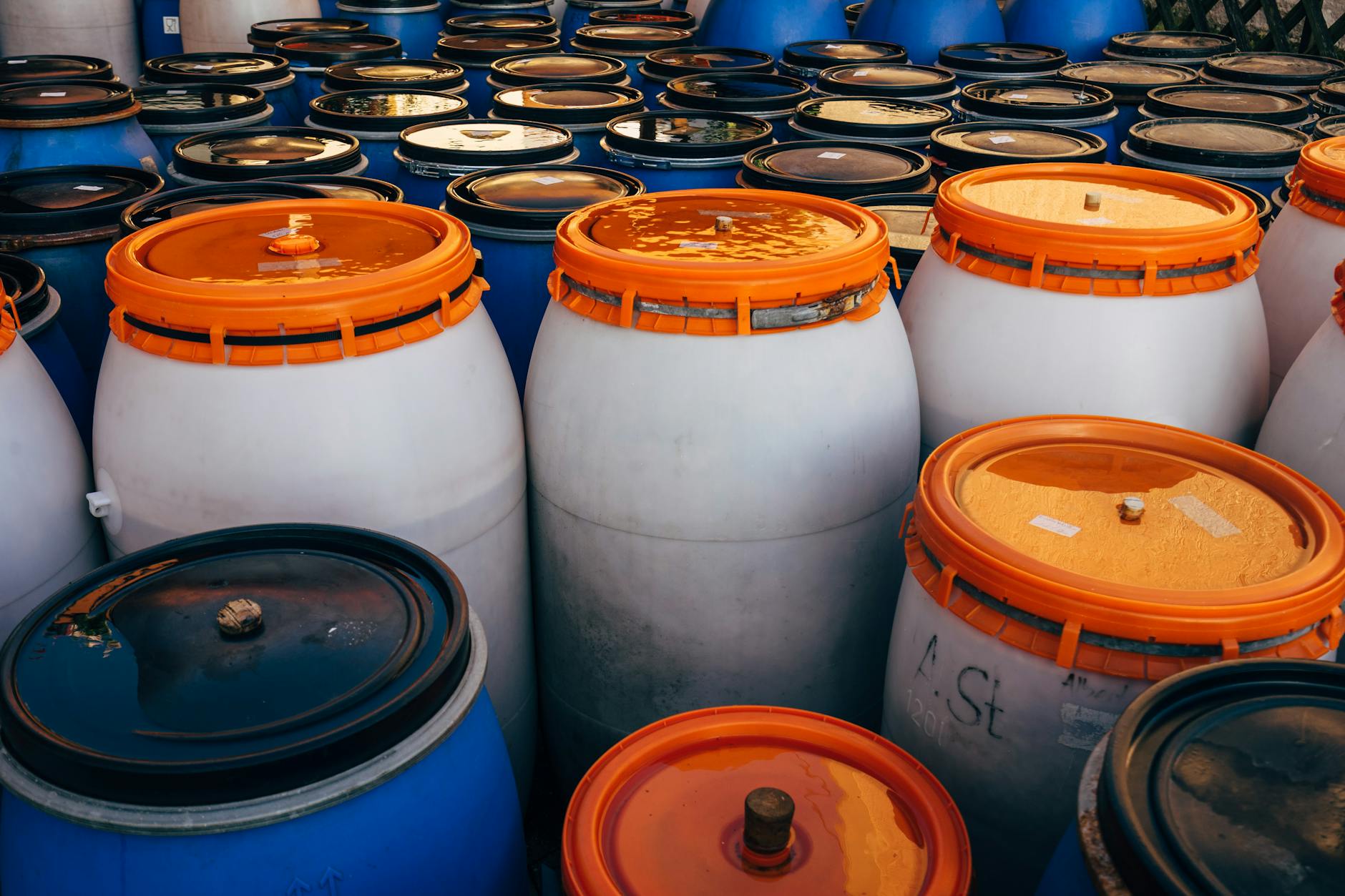
Last summer, I woke up to the news that our town was under mandatory water restrictions due to severe drought conditions. Panic set in as I realized my water reserves were dangerously low. I had planned for a week of survival but found myself short by several days’ worth of drinking and sanitation water. The experience taught me the importance of accurately calculating water needs for long-term preparedness.
This is where the Water Storage Calculator comes in handy. Whether you’re preparing for natural disasters, economic instability, or simply want to be self-sufficient during a crisis, knowing how much water to store can mean the difference between comfort and hardship.
Understanding Your Basic Needs
The first step is understanding your daily water requirements. The general rule of thumb is that one person needs at least half a gallon (approximately 2 liters) of water per day for drinking alone. However, during emergencies, it’s wise to double this amount to account for possible higher activity levels and stress.
For a household of four, that means planning for at least 4 gallons per day just for drinking — and realistically 8 gallons once you factor in cooking and basic hygiene. Over a two-week supply period, that adds up to 112 gallons minimum. Most people dramatically underestimate this number until they do the math.
Using the Water Storage Calculator
Head over to the Water Storage Calculator to start planning your supply. Here’s how to use it effectively:
Step 1 — Enter Your Household Details: Begin by entering the number of people in your household who will rely on this water reserve during an emergency.
Step 2 — Define Duration and Purposes: Specify how long you need to store water (days, weeks, or months) and indicate whether you’re storing just drinking water or also accounting for sanitation needs. Additional water is necessary for washing dishes, personal hygiene, and cooking.
Step 3 — Consider Extra Supplies: If you have pets, include them in your calculation. Dogs and cats typically require 0.5 to 1 ounce of water per pound of body weight per day — still a meaningful amount over several weeks.
Step 4 — Review Recommendations: Once the calculator processes your inputs, it provides a detailed breakdown of how much water you should aim to store, including both drinking and sanitation needs.
Practical Advice for Long-Term Storage
Pro Tip
Rotate stored water every six months to maintain freshness. Mark containers with the fill date so you always know exactly when rotation is due. A simple piece of masking tape and a permanent marker takes ten seconds but could prevent a serious health issue months later.
Supplementing Your Water Supply
While the calculator helps you plan your primary reserve, there are additional steps worth taking:
- Rainwater Collection: Set up barrels or tanks to collect rainwater for non-drinking purposes like toilet flushing and gardening.
- Emergency Purification Methods: Always have backup water purification methods on hand. Read our guide on Emergency Water Purification Methods to learn about boiling, chemical treatments, and filtration systems.
- Know Your Local Sources: Identify nearby water sources — streams, ponds, neighbors with wells — and know how you would treat that water before drinking it.
For a broader look at emergency readiness, the Emergency Preparedness Guide covers all the foundational supplies and planning steps that complement your water storage plan.
Common Calculation Errors to Avoid
Many people forget to account for water used in cooking (soups, rice, pasta absorb significant amounts), pets, and sanitation beyond hand-washing. The calculator handles these variables automatically, but you still need to input accurate numbers for accurate results.
Also, do not assume tap water stored directly in recycled containers is safe long-term. Use food-grade BPA-free containers specifically rated for water storage, and consider water preserver drops if you plan to store beyond six months.
Conclusion
Properly calculating and storing your water supply is a critical part of being prepared for any disaster scenario. By using the Water Storage Calculator and following the advice in this guide, you can ensure you have enough clean drinking water to sustain your household through tough times. Start planning today and give yourself real peace of mind.