This article contains affiliate links. We may earn a small commission if you purchase through these links, at no extra cost to you.
Late last summer, a storm knocked out power across my neighborhood for nearly two days. When the lights finally came back on, I opened the refrigerator hoping most things had survived. A digital thermometer I had taped inside told the real story: the fridge had climbed to 62°F after 18 hours. Most of what I had stored was garbage. I threw out roughly $150 worth of food that afternoon — food I had not needed to lose if I had understood what was happening inside those appliances and acted sooner.
Food safety during a power outage is well-documented by the USDA and FDA, but most people do not know the specific numbers until they need them. Here is what you need to know before the next outage hits.
The Temperature Danger Zone
The USDA’s “danger zone” for bacterial growth is 40°F to 140°F (4°C to 60°C). Within this range, harmful bacteria — Salmonella, E. coli, Listeria, Staphylococcus — can double in population every 20 minutes. Food that spends more than 2 hours total in the danger zone is considered unsafe by the FDA.
Your refrigerator should normally run at or below 40°F. Your freezer at 0°F or below. When power goes out, both start climbing.
Refrigerator: The 4-Hour Window
A closed refrigerator with a full load of food will typically stay at or below 40°F for about 4 hours after power loss. The keyword is closed. Every time you open the door, cold air escapes and warm air enters — accelerating the temperature rise significantly.
Treat those 4 hours as your window to make decisions. What can you move to a cooler with ice? What can you cook and eat immediately? What is shelf-stable and needs nothing? Plan your actions and minimize door openings.
After 4 hours above 40°F, the following should be discarded: raw and cooked meat, poultry, and seafood; milk, yogurt, soft cheese, and dairy-based foods; eggs and egg-containing dishes; cooked vegetables, casseroles, and leftovers; opened mayo and salad dressings; soft fruits and cut vegetables.
Freezer: 24 to 48 Hours Depending on Load
Freezers are more forgiving because they start much colder. A full freezer at 0°F will maintain a safe temperature for approximately 48 hours after power loss if the door stays closed. A half-full freezer is closer to 24 hours, because the air space between items has a higher proportion of warm air to cold mass.
Once freezer temperature climbs above 40°F, the same 2-hour rule applies to thawed items. Food that still has ice crystals throughout — not just a thin layer — can be refrozen when power returns. Food that has fully thawed should be cooked and eaten immediately or discarded.
Important
Never taste test food to determine if it is safe. Dangerous bacteria do not change the smell, texture, or appearance of many foods. “When in doubt, throw it out” is not overcaution — foodborne illness during an already stressful emergency situation can be genuinely dangerous, especially for children, elderly people, and anyone with a compromised immune system.
Using a Thermometer to Make Accurate Decisions
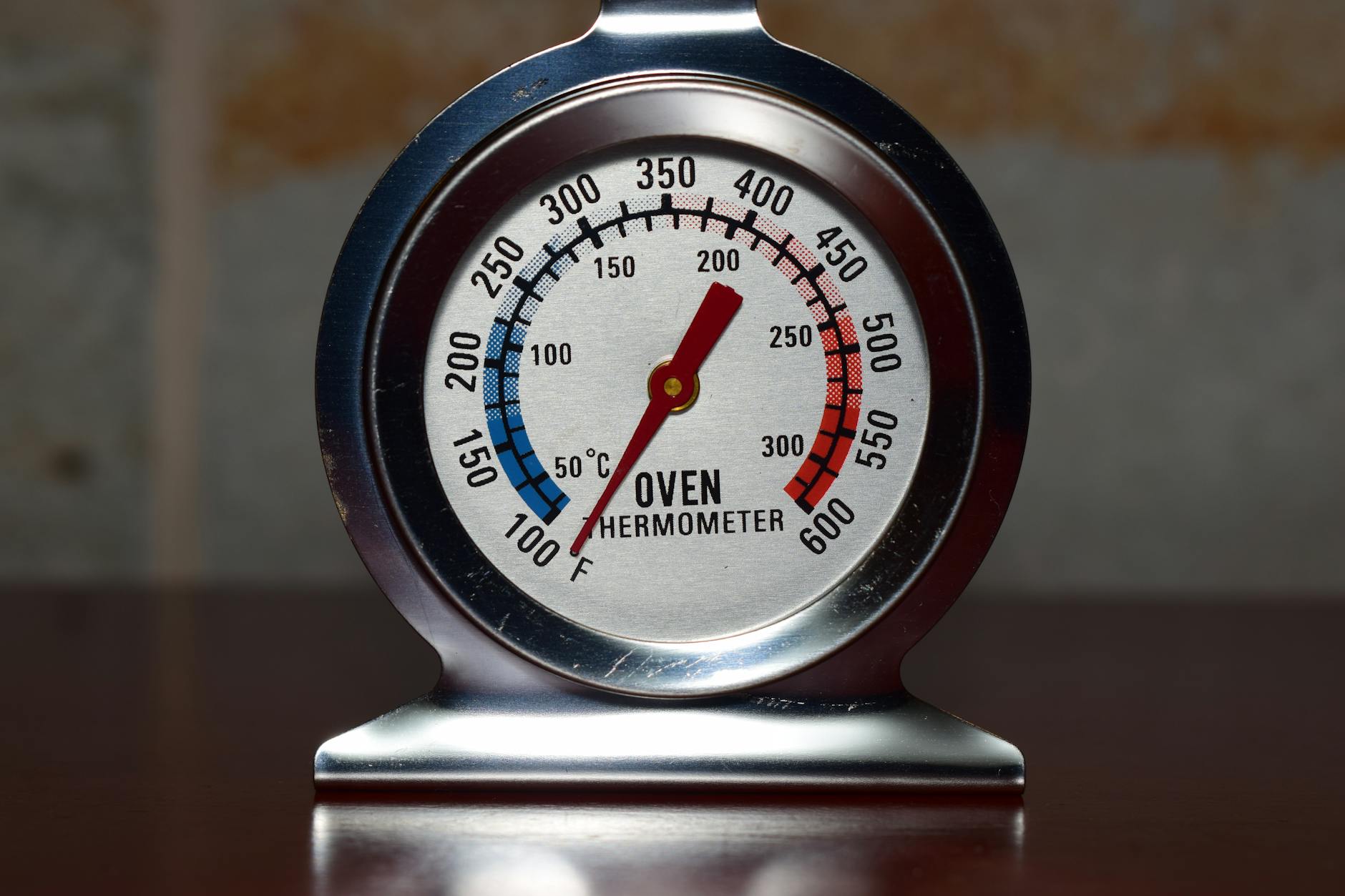
Guessing at fridge temperature is unreliable. Keep an appliance thermometer (not a meat thermometer) inside your refrigerator and freezer at all times. During a power outage, these thermometers tell you exactly when the danger threshold has been crossed — giving you accurate information instead of guesswork.
You can buy a refrigerator thermometer for under $10 at any hardware store. It is one of the cheapest and most useful emergency prep investments you can make.
Extending Cold Storage With Ice and Dry Ice
If you know a power outage is coming (storm warnings) or it has just started, act quickly:
- Transfer critical items to a cooler with ice or frozen gel packs.
- Move items from the fridge to the freezer temporarily (the freezer has more thermal mass to give).
- Place bags of ice inside the refrigerator to extend its cold retention.
- For the freezer, dry ice (frozen CO2) maintains temperatures far below 32°F. 50 pounds of dry ice will keep a 18-cubic-foot full freezer frozen for 2 days. Always use insulated gloves, never touch dry ice with bare hands, and ensure ventilation — the CO2 gas it releases is dangerous in enclosed spaces.
Backup Power Changes the Equation
If you have a generator, battery backup, or solar system that can power your refrigerator, the 4-hour window becomes irrelevant — your food stays cold indefinitely. Use the Power Outage Calculator to determine whether your backup power system has enough capacity to keep your refrigerator running continuously during an extended outage.
If your system cannot power everything, the Power Outage Calculator helps you prioritize: a freezer typically draws less wattage than a refrigerator and preserves more caloric value per kilowatt-hour of power consumed.
When Power Returns
Check both appliances with thermometers before trusting their contents again. If the refrigerator is at or below 40°F and has been for the majority of the outage, most items are likely fine. If the temperature spiked and you are unsure for how long, default to USDA guidelines and discard perishables that would have exceeded 2 hours above 40°F.
For managing longer-term food security without refrigeration, the Best Freeze Dried Food Brands Compared covers shelf-stable options that require no power to maintain, and the Emergency Lighting Power Outage guide covers low-power lighting alternatives that reduce your overall backup power load.
Know the numbers, keep a thermometer in your fridge, and act within the first two hours of any extended outage. That is the entire framework for minimizing food loss when the power goes out.