This article contains affiliate links. We may earn a small commission if you purchase through these links, at no extra cost to you.
Early November, 2014. Kansas. A buddy’s farm in the Flint Hills.
I’d been in the same treestand for four days straight. Seen exactly two does and a fork horn I wouldn’t shoot on a bet. Then on day five, around 9:15 in the morning — when any sane person would be getting breakfast — I watched a 150-class ten-point walk across an open field in broad daylight like he owned the whole county.
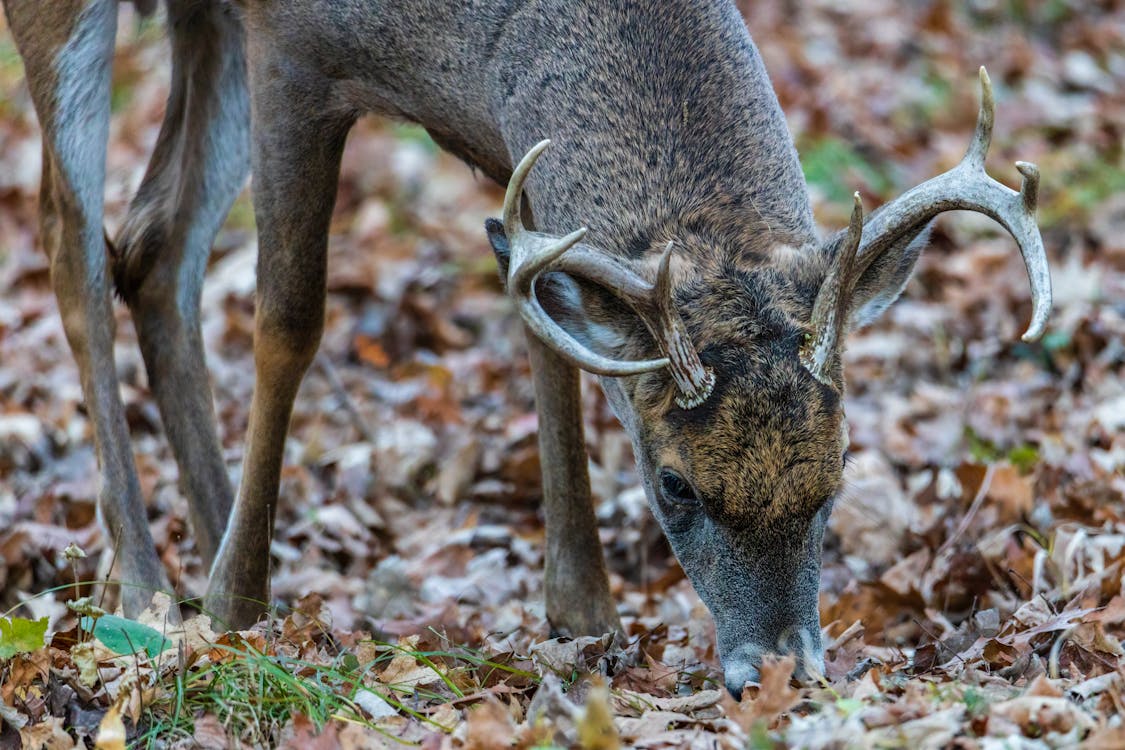
He was looking for does. Moving fast, nose to the ground, covering ground with zero regard for survival instincts that would have made him invisible two weeks earlier. He walked 400 yards in the open before he hit a tree line.
I didn’t have a shot. He was moving too fast and quartered away the whole time. But I wasn’t even that upset. Just watching that buck move during the rut — that complete transformation of behavior — was something. It’s still one of my clearest hunting memories.
That’s the rut. And if you understand it, you can put yourself in front of deer that would otherwise never see daylight.
Table of Contents
- What the Rut Actually Is
- The Three Phases
- Timing by Region
- Where Bucks Go During the Rut
- How to Hunt Each Phase
- Common Rut Hunting Mistakes
What the Rut Actually Is
The rut is the whitetail breeding season. Bucks shift from their normal pattern — mostly nocturnal, highly territorial, predictable — to something that looks almost reckless. They chase does across open fields at noon. They travel miles they’ve never covered before. Bucks you’ve never seen on your trail cameras show up out of nowhere.
The trigger is photoperiod, not temperature. Some hunters believe the rut starts when the first cold snap hits. Not true, or at least not reliably true. Decreasing daylight hours through October signal the rut to begin. Shortening days cause changes in doe hormone cycles, and it’s the does’ readiness that actually drives buck behavior. Bucks can smell a doe approaching estrus from considerable distance, and when they do, all the usual rules go out the window.
Temperature affects how visible the rut is, not when it happens. A warm November means bucks move less during daylight — they’re still breeding, just doing it at night. Cold temperatures push movement into daylight hours. This is why hunting during a cold front during the rut is so productive. It’s not that the rut is more intense; it’s that the conditions make daytime movement more likely.
For a foundational breakdown of deer habits and approach, the beginner’s guide to deer hunting has a solid section on deer behavior that’s worth reading before you go deep into rut specifics.
The Rut Is Triggered by Daylight, Not Temperature
The rut starts because of decreasing daylight hours in October — not because of a cold snap. Cold weather makes bucks more visible during daylight, but they’re breeding regardless of temperature. Warm Novembers mean the rut is happening at night. Hunt before cold fronts, which push daytime movement up, rather than assuming a warm week means the rut hasn’t started.
The Three Phases
Not everyone breaks the rut into phases the same way. I’ve seen guys use two phases, some use four. I think three makes the most practical sense for hunting purposes.
Pre-Rut
This runs roughly October 15 through early November in most of the core whitetail range. Bucks are scraping and rubbing hard — establishing dominance and leaving chemical signals for does. Their home range starts expanding. They’re traveling more, but not frantically. Not yet.
Pre-rut is actually one of my favorite times to hunt. Bucks are moving earlier in the evening than they will in dead summer, but the chaos of peak rut hasn’t pushed them completely unpredictable. You can pattern a buck during pre-rut that would be impossible to pattern in peak rut.
Scrape lines are gold during pre-rut. Find a field edge with multiple fresh scrapes — pawed-up earth, broken overhead branches, strong smell of tarsal gland — and you’re looking at a primary scrape line. Buck will visit these repeatedly. Not every day, not on a schedule you can perfectly predict, but repeatedly.
Pro Tip: The freshest scrape in a cluster is usually the one a buck visits most consistently. Pour some doe-in-estrus scent into the freshest scrape during pre-rut. That buck has already been checking that spot — you’re giving him a reason to check it again soon.
Peak Rut
Early to mid-November across most of the northern U.S. This is what everyone talks about. Does enter estrus. Bucks go nuts.
A buck in peak rut is a different animal. The same deer that spent October within a half-mile square of bedding and feeding areas might cover 5-10 miles in a day looking for receptive does. This is how mature bucks that have never appeared on anyone’s trail camera suddenly appear. They’re not local. They walked in from somewhere.
The bad news about peak rut: your ability to pattern a specific buck drops to nearly zero. You can’t predict where he’ll be because he doesn’t know where he’ll be. He’s following his nose. Your best play shifts from finding a specific deer to finding where the does are. Bucks will find them.
During Peak Rut, Hunt Does — Not Bucks
Your ability to pattern a specific buck during peak rut is essentially zero. He doesn’t know where he’ll be tomorrow. Shift your strategy: find where the does feed and bed, and set up there. Bucks will come to you. A field edge or doe bedding area during peak rut is more productive than any buck-specific setup from pre-season scouting.
Post-Rut / Second Rut
Second rut is real but easily oversold. Most doe fawns from the spring won’t breed this year. But any doe that didn’t conceive during peak rut will cycle again in about 28 days. This creates a secondary estrus period — usually late November into December — that can produce some excellent hunting if you’re patient.
Buck behavior during the second rut is less chaotic than peak rut. Fewer does are receptive, so competition among bucks is lower and movement is less frantic. But bucks are also exhausted, food-depleted, and beginning to prioritize recovery over breeding. You’ll see them more during shooting hours because they need to eat, but the chasing and cruising behavior is much reduced.
Timing by Region
Here’s where people get confused. The rut does not happen at the same time everywhere.
Peak rut in Iowa falls around November 5-12 most years. In South Texas — truly South Texas, not the Hill Country — you’re looking at December and even January. Louisiana’s rut runs September through November depending on which part of the state. Northern Minnesota can see rut activity into late November.
Photoperiod changes happen at the same rate everywhere in the Northern Hemisphere at a given latitude. The timing shift from north to south exists because of latitude — farther south, you’re getting to the short-day trigger date later in the calendar. Add in centuries of regional genetics and subspecies variation, and you get genuine regional timing differences.
For your area specifically, contact your state wildlife agency. They track this annually in most states and can give you actual peak breeding dates based on fetal development surveys. These are more reliable than anything you’ll read in a hunting magazine, which tends to generalize for the whole country.
Weather affects hunting conditions significantly. Cold snaps shorten daytime activity periods. A warm front during the peak rut might make it seem like the rut hasn’t begun, but breeding can still occur early in the morning. Hunt before cold fronts arrive rather than after temperatures have already dropped.
Where Bucks Go During the Rut
Bucks follow does. Does concentrate around food and security cover. Connect those dots.
During pre-rut, bucks are still somewhat territorial. Find their scrape lines and travel corridors and you can pattern them reasonably well. Pinch points — narrow strips of timber between two larger areas, saddles in ridgelines, creek crossings — funnel deer movement and make sitting a specific spot much more efficient.
Peak rut scrambles everything. Big bucks show up in places they’ve never been because they’re cruising — covering ground looking for estrus does. Open field edges become productive because does feed there and bucks check those areas looking for them. I’ve killed two of my better bucks standing on field edges at midday in peak rut, which is something I’d almost never do outside that window.
Doe bedding areas become the most important thing to understand. You can find a mature buck anywhere during peak rut, but he’s most likely to be found near where the does bed. If you know where does spend their mornings — which should be common knowledge by now if you’ve been scouting — you know where to set up for rut hunting.
Read more about finding and reading sign in our upcoming guide to scouting for deer, which will have specific techniques for identifying doe bedding areas.
Trail Cameras During the Rut
Trail cameras are your best friend for understanding what’s moving on your property, but they require adjustment during the rut.
Before the rut, cameras over scrapes and travel corridors catch regular activity. During peak rut, your resident bucks disappear from those cameras — they’re elsewhere — and strange bucks show up. Don’t get discouraged when your target deer goes dark. He’s breeding somewhere. He’ll be back.
Post-rut camera checks reveal what survived. Bucks that were dominant in October can look completely different in December — gaunt, often injured, sometimes missing tines from fighting. Knowing your property’s survivors helps you plan the following season.
A decent trail camera runs $50-$150 for a quality model. You don’t need cellular capability for basic pattern work, though cellular cameras are genuinely useful for monitoring scrapes during pre-rut without burning your scent checking them constantly.
How to Hunt Each Phase
Pre-rut: Hunt scrape lines and travel corridors. Morning sits over pinch points between bedding and feeding. Evening sits near feeding areas with visibility into doe-frequented fields. Calling starts to work here — soft grunts, occasional rattling with light contact (not full combat rattling yet). Scent control matters most pre-rut because bucks are still wary.
Peak rut: All day sits. This is the one time I tell people to stay in their stand from first light to last light if they can physically manage it. Big bucks cruise at all hours during peak rut. The 10:30 AM kill is a cliché because it’s true. Buck pressure is highest at mid-morning. Don’t leave at 9 because you haven’t seen anything.
Rattling works well now — louder and more aggressive than pre-rut. Grunt calls, doe bleats, estrus doe bleats. Position yourself near thick cover, not just field edges. A cruising buck coming to rattling will often come in downwind to scent-check before committing. Set up with the downwind side covered.
Post-rut/second rut: Focus on food. Bucks need to rebuild before winter. Find your best food sources — standing corn, brassicas, oak flats with still-available acorns — and sit on them. Activity will be early and late, not midday. Second rut activity can occur midday in the right conditions, but don’t plan on it.
For a full overview of rifles and setup for the actual harvest, the best hunting rifles for beginners article is worth a read if you’re still dialing in your firearms setup.
Peak Rut Means All-Day Sits — Not Morning Only
During peak rut, mature bucks cruise all hours of the day. The classic mid-morning kill (9-11 AM) happens because most hunters have already climbed down for breakfast. If you can only hunt peak rut for two or three days, stay on stand from first light to last light every single day. This is the one window in the season where that commitment pays off.
Common Rut Hunting Mistakes
Hunting peak rut in your best spot. Your best stand gets saved for peak rut by most hunters. Problem is, if that’s a stand you’ve been hunting all October, the local deer know it’s there and they know your scent pattern. Mature bucks especially tend to have long memories about pressure. Hunt the best spot on fresh feet — enter routes you haven’t used, let it rest for two weeks before you sit it for peak rut.
Ignoring the wind because “the rut makes bucks stupid.” Yes, rut-crazed bucks do things they wouldn’t normally do. They also wind you and bolt at 200 yards, same as they always did. The rut doesn’t override a deer’s nose. Control your scent regardless.
Over-calling. Rattling and grunting work. They also educate deer on heavily pressured properties. If five other hunters on the same ridge are rattling every morning, the deer have heard it and ignored it enough times to associate it with danger. Use calls, but use them with some restraint. Less is usually more in heavily pressured areas.
Not hunting the second rut. Most hunters are burned out by late November. The second rut is real. If you have tags left and access to the property, get back out there December 1 through 10 in most of the Midwest. Some of my biggest bucks have come during what felt like a very quiet stretch of hunting.
Neglecting food sources in post-rut. The rut ends and hunters assume the season is over. It isn’t. Bucks that survived the breeding season need to eat. A lot. Find the best food on your property and hunt it hard through the close of season.
The rut is the best time to kill a big deer. Full stop. But it rewards preparation — scouting done in September and October, stand placement based on understanding where does live, and patience to sit long hours when conditions line up. The guys I know who consistently kill mature bucks during the rut aren’t the ones who know some secret trick. They’re the ones who put in the work before the season and then stay in the stand when everyone else goes home for breakfast.
If you want to check your deer hunting knowledge, our hunting safety quiz covers both safety and strategy for the season.