This article contains affiliate links. We may earn a small commission if you purchase through these links, at no extra cost to you.
A buddy of mine — 20-year veteran backcountry hunter, knows more about elk sign than most people know about anything — nearly killed himself eating water hemlock. Thought it was wild parsnip. He was sick for two days and says he’s never been that close to dying, not even the time he fell out of a treestand.
Smart people make this mistake. That’s the point.
Plant identification is the one wilderness skill where being mostly right can put you in the ground. You can be a mediocre fire-starter and survive cold nights. You can be a mediocre navigator and still find your way out. But eating the wrong plant, once, with confidence — that’s a different category of mistake entirely.
This guide covers the most dangerous plants you’re likely to encounter in North America. Know what they look like. Know where they grow. And for the love of everything, don’t eat something you’re 95% sure about.
Table of Contents
- The Cardinal Rule of Wild Plants
- Water Hemlock: The Deadliest Plant in North America
- Poison Hemlock: What Killed Socrates
- Deadly Nightshade and Its Relatives
- Pokeweed: Big, Purple, and Toxic
- White Snakeroot and the Milk Sickness
- Jimsonweed: The Ditch Weed That Sends People to the ER
- Dangerous Lookalikes to Know
- What to Do If Someone Eats Something Toxic
The Cardinal Rule of Wild Plants {#cardinal-rule}
Don’t eat it unless you are certain. Not pretty sure. Not pretty confident. Certain.
I use a field guide in the backcountry. Have for 20 years. Peterson’s Field Guide to Edible Wild Plants is the one I started with. Tom Brown Jr.’s guides are good for eastern North America. Having the guide doesn’t make you safe — you still have to actually look at the pictures carefully and verify every identifying feature, not just the general shape.
Carrying a guide to edible plants also means you see the poisonous plants next to the edible ones and learn the distinctions. That’s worth something.
The universal edibility test — where you rub a small amount on your skin, wait, then taste a tiny amount, wait, then eat a small amount — is real and taught by survival schools. It also takes 24 hours and doesn’t protect you from plants that are acutely toxic in small doses. Water hemlock can kill you before the test protocol completes. Know the plants instead.
Water Hemlock: The Deadliest Plant in North America {#water-hemlock}
Cicuta species. USDA and poison control experts have called this the most violently toxic plant on the continent. A piece of the root the size of a walnut can kill an adult.
What it looks like:
- Grows 2-6 feet tall, typically near water — stream banks, wet meadows, marshes, edges of ponds
- Hollow, chambered stem when cut (this is key — visible when you slice through it)
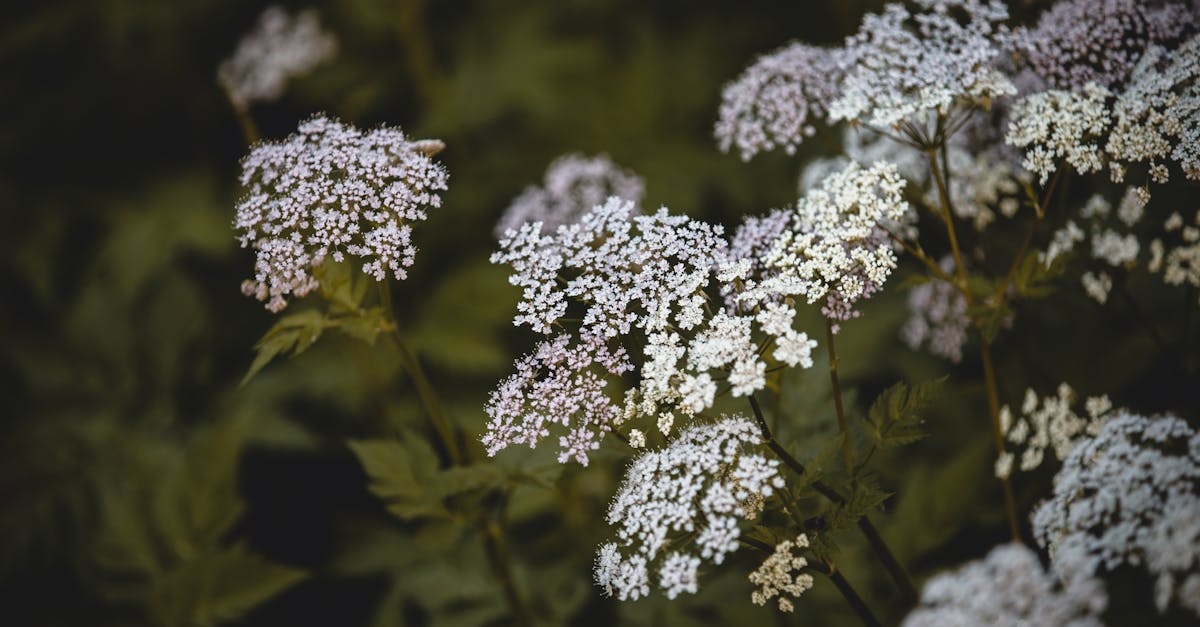
- White flowers in umbrella-shaped clusters (called umbels)
- Leaves compound, toothed along the edges, arranged alternately
- Roots have a distinctive yellow-orange sap and smell vaguely like parsnip or carrots
Why people confuse it: Wild parsnip. Wild carrot. Cow parsnip. Angelica. All the same general family (Apiaceae) with similar white umbrella flowers. The problem is that several edible plants look almost identical to water hemlock unless you know exactly what to check.
How it kills: Cicutoxin. Violent convulsions within 15-60 minutes of ingestion. Seizures so severe that people have broken their own bones. Death from respiratory failure. Survivors often have permanent kidney damage.
The rule: If you’re near water and see a plant with white umbrella flowers and a hollow, chambered stem — walk away.
Pro Tip: Never dig up or handle wild root vegetables from the carrot/parsley family unless you are absolutely certain of identification. Water hemlock looks convincingly like food.
Poison Hemlock: What Killed Socrates {#poison-hemlock}
Conium maculatum. Less immediately violent than water hemlock but just as lethal. The ancient Greeks used it for executions because it causes a predictable, progressive paralysis — you stay conscious while your body stops working.
What it looks like:
- 2-10 feet tall, often roadside, disturbed ground, fields, pastures
- Hollow, hairless stem with distinctive purple-red blotches or spots (this is the tell)
- White umbrella flowers similar to water hemlock
- Musty, unpleasant smell — often described as mousy or rank
- Finely divided, fernlike leaves
The spotted stem is the easiest identifier. Very few other plants in this family have the same distinctive purple mottling on the stem. If you see it, you’re looking at poison hemlock.
Why people confuse it: Wild carrot (Queen Anne’s Lace) is the classic mix-up. Wild carrot has hairy stems, often has a tiny purple flower in the center of the white cluster, and the leaves smell like carrot when crushed. Poison hemlock has hairless stems, no carrot smell, and the purple spots.
Learn to distinguish these two. Wild carrot is edible and worth knowing. Poison hemlock is everywhere and looks similar enough to fool people.
Deadly Nightshade and Its Relatives {#nightshade}
The nightshade family (Solanaceae) contains some of our most important vegetables — tomatoes, peppers, eggplant, potatoes — and some genuinely dangerous plants. Don’t let the edible relatives lull you into complacency with the wild ones.
Deadly Nightshade (Atropa belladonna): Less common in North America than in Europe, but present in some areas. Bell-shaped purple flowers, shiny black berries. The berries taste sweet — that’s the danger. Children are poisoned more often than adults because the berries look appealing and don’t taste bad.
Black Nightshade (Solanum nigrum): Much more common throughout North America. Small white star-shaped flowers, small green berries that turn black when ripe. Often grows in gardens, disturbed soil, roadsides. The ripe berries are sometimes eaten in certain traditions with extensive preparation, but I wouldn’t chance it. Unripe berries and the plant leaves are toxic.
Bittersweet Nightshade (Solanum dulcamara): Purple flowers with yellow anthers that look like a tiny shooting star. Red berries. Common in thickets and along fence lines. Tastes bitter then sweet — hence the name. Toxic.
The general nightshade rule: Small berries on a plant with star-shaped flowers and a distinct smell when you crush the leaves? Leave it alone.
Pokeweed: Big, Purple, and Toxic {#pokeweed}
Phytolacca americana. This one is interesting because it’s genuinely edible — if you prepare the young spring shoots correctly — but becomes increasingly toxic as the plant matures, and the berries and roots are toxic at every stage.
What it looks like:
- Huge plant, often 6-10 feet at maturity
- Thick, purple-red stems
- Large, oval leaves
- Clusters of dark purple-black berries on red stems (distinctive and beautiful looking)
- Massive white taproot
Why it matters: The berries look abundant and accessible. The plant is enormous and hard to miss. People have been poisoned by pokeweed berries throughout American history. The root is the most toxic part — it’s been mistaken for parsnip or horseradish and caused deaths.
Young shoots — under 8 inches, before any red coloration appears in the stem — can be prepared safely by boiling in multiple changes of water. This is a traditional Appalachian practice. But this requires knowing exactly what you’re doing, and I’d only recommend it if you’ve learned directly from someone who knows the plant cold.
Common Mistakes Section:
- Eating the berries — they look like they’d make good jam. They won’t. They’ll make you extremely sick.
- Digging the root — the massive taproot looks like something edible. It’s not.
- Eating mature stems — even cooked, mature stems retain enough toxicity to cause problems.
White Snakeroot and the Milk Sickness {#snakeroot}
Ageratina altissima. This plant killed Abraham Lincoln’s mother. Nancy Hanks Lincoln died of “milk sickness” in 1818 — caused by drinking milk from cows that had eaten white snakeroot.
What it looks like:
- 2-5 feet tall, shaded woodland edges and clearings
- Small white fluffy flower clusters at branch tips (late summer, fall)
- Opposite, toothed, heart-shaped leaves
- Common in eastern and central North America
The toxin — tremetol — passes into cow milk and can accumulate in anyone drinking contaminated milk. For foragers, the risk is direct ingestion. The plant doesn’t look particularly tempting but it does resemble some innocuous woodland plants.
Why it matters for backcountry travelers: Less because you’d eat it directly, more because knowing what caused a famous historical poisoning is useful context for plant toxicology generally. And if you’re homesteading with livestock, keeping them out of white snakeroot stands is genuinely important.
Jimsonweed: The Ditch Weed That Sends People to the ER {#jimsonweed}
Datura stramonium. Also called thornapple, devil’s snare, moonflower. Grows in disturbed soil, roadsides, waste areas, old fields. All parts toxic — seeds most so.
What it looks like:
- 1-5 feet tall, branching
- Large, lobed, coarse leaves with a rank unpleasant smell when crushed
- Dramatic white or purple trumpet-shaped flowers, 3-5 inches long
- Spiny egg-shaped seed pods (the “thornapple”)
Jimsonweed poisoning causes a classic anticholinergic syndrome — dry mouth, dilated pupils, fast heart rate, hallucinations, and potentially fatal seizures. ER doctors see it regularly because people deliberately ingest it trying to get high. That’s an extremely bad idea with a razor-thin margin between “hallucinating” and “dead.”
The flowers are striking and unusual-looking. The seed pods are distinctive. Neither should be consumed.
Dangerous Lookalikes to Know {#lookalikes}
The most dangerous situations aren’t unfamiliar plants — they’re familiar-looking plants with toxic doubles. These are the classic confusion pairs worth memorizing:
| Edible | Toxic Lookalike | Key Difference |
|---|---|---|
| Wild carrot (Queen Anne’s Lace) | Poison hemlock | Hemlock has hairless spotted stems, no carrot smell |
| Wild parsnip | Water hemlock | Water hemlock grows near water, has chambered roots |
| Wild garlic | Death camas | Death camas has NO garlic smell — this is the test |
| Elderberries | Water hemlock berries | Different leaf shape, habitat; elderberry is elder tree |
| Morel mushrooms | False morel | Morels are hollow inside, false morels are not |
Death camas (Anticlea elegans, Zigadenus) deserves special mention. Grows in meadows and grasslands, looks remarkably like wild onion or wild garlic. Same general grass-like leaves. The critical difference: wild garlic smells strongly of garlic when leaves are crushed. Death camas has absolutely no garlic smell. Zero. Check before you eat anything that looks like wild onion.
For deeper coverage of what you CAN eat safely, the edible wild plants guide is the right starting point. Learn the edibles first — once you know them well, the lookalikes become more recognizable by contrast.
What to Do If Someone Eats Something Toxic {#emergency}
Call Poison Control immediately: 1-800-222-1222 (US, 24/7). They need to know what was eaten, how much, and when.
If the person is unconscious, having seizures, or showing symptoms of severe poisoning (extreme confusion, inability to breathe normally, blue lips) — call 911 first.
Do not induce vomiting unless specifically instructed by Poison Control. Some plant toxins do more damage coming back up.
Save a sample of the plant or take a clear photo showing stem, leaves, flowers, and overall shape. This helps identify the specific plant and appropriate treatment.
Symptoms can appear anywhere from 15 minutes (water hemlock) to several hours (some nightshades) after ingestion. Don’t wait for symptoms to appear before calling for help.
Your wilderness first aid kit should include the Poison Control number saved in your phone. Add it right now if it isn’t there. Also consider keeping a plant identification guide specifically covering toxic plants — several good regional guides exist that focus only on plants to avoid.
Knowing poisonous plants isn’t about fear. It’s just information — the same way knowing how to read water before crossing a river is information. Nobody tells you not to walk near rivers. They tell you what to look for before you step in.
Get a field guide. Learn five dangerous plants in your area first. Then learn five edible ones. Build the knowledge base deliberately, with specifics, not vibes. The wilderness feeds people who know it and punishes people who guess.