This article contains affiliate links. If you buy something through these links, we may earn a small commission at no extra cost to you. We only recommend products we’ve personally used and trust. Full disclosure at the bottom of this page.
Hurricane Michael hit the Florida panhandle as a Cat 5 and nobody saw it coming. I mean that literally — the National Hurricane Center was calling it a Cat 2 three days before landfall. By the time they upgraded it, people who’d stayed were trapped.
The families who had NOAA weather radios got the alert. The ones who were relying on their phones — which were showing the same NHC forecast as everyone else — didn’t. Not their fault. The alert went out, but you have to be monitoring the right channel to hear it.
That’s the thing about emergency communication that most people don’t get until they’re in it: phones are great for normal times. When the grid goes down, when cell towers are damaged, when you’re in an area with no service, or when the alert system sends warnings to a radio frequency you’re not watching — that’s when you need a dedicated emergency radio. Not a $12 AM/FM alarm clock radio. An actual emergency radio that pulls NOAA, that doesn’t need the grid to run, and that can still function after three days of power outage.
I’ve tested a lot of these over the years. Here’s the honest breakdown.
What You Actually Need From an Emergency Radio
Before I get into specific picks, let me talk about what matters. Because the marketing on these things is all over the place and it’s easy to pay for features you’ll never use.
NOAA weather bands are non-negotiable. This is the reason you’re buying the radio. Seven NOAA weather frequencies covering every part of the US. Automated alerts that come through even when you’re asleep. The Emergency Alert System sends tornado warnings, flash flood warnings, and Amber alerts through NOAA weather radio. If you buy an emergency radio without NOAA, you bought an overpriced camping radio.
Multiple power sources. At minimum: hand crank, solar panel, and a way to run on AA batteries. The hand crank is your fallback for when everything else has run down. The solar keeps it charged during daylight. The batteries are your bridge. I’d skip any radio that doesn’t have all three of these.
The Alert Function Is the Whole Point
Look for a radio with a dedicated weather alert standby mode — it monitors NOAA frequencies and sounds an alarm when an emergency broadcast activates. Without this feature, a NOAA radio is only useful if you’re already awake and listening. The alert function is what saves you at 3 AM during a tornado warning.
Alert function that wakes you up. Some radios just receive NOAA. Better ones have a specific weather alert mode — they sit in standby and sound an alarm when an emergency alert broadcasts on the weather frequencies. This is the feature that matters at 3 AM when a tornado warning goes out.
Shortwave is nice to have for listening to international broadcasts in a major grid-down situation, but it’s not essential for most people’s needs. AM/FM is useful. Weather bands are critical.
This is one piece of the emergency communication plan every family should have — along with knowing your rally points and having an out-of-state contact.
The Picks (What I Actually Use and Recommend)
Best Overall: Kaito KA500
The Kaito KA500 is what I keep in my go-bag and what I gave to my parents and my in-laws. Around $50, sometimes less. It’s not flashy. The brand isn’t particularly well-known. But this radio has been tested, used, and reviewed by more emergency preparedness folks than almost anything else in this category, and it consistently performs.
What it has: AM/FM, all 7 NOAA weather bands, shortwave, hand crank, solar panel, runs on AA batteries, USB phone charging (limited), built-in LED flashlight. The alert feature is reliable. It woke me up during a thunderstorm watch at 4 AM in 2022 and I didn’t hate it for it.
The build quality is fine — not rugged enough to throw around but solid enough for home and car use. The hand crank charges the internal battery slowly, which is accurate about every hand-crank radio in existence. You’re not going to hand-crank your way to a full charge. But you can get enough juice for 15-20 minutes of listening.
What it doesn’t have: it’s not waterproof. It’s not the toughest thing in the world. If you need something more ruggedized, step up.
Price: ~$40-55. My rating: 9/10 for the category.
Runner Up: Midland ER310
The Midland ER310 runs about $60-70 and is built tougher than the Kaito. Better housing, better button feel, and the alert function is genuinely excellent. Midland is a real company with a real presence in emergency management — their radios are used by government agencies and serious preppers alike.
The ER310 has AM/FM, all NOAA weather bands, hand crank, solar, battery operation (standard or rechargeable AA pack), USB charging out, SOS flasher, and a red emergency light. The weather alert system is louder and more reliable in my testing than the Kaito.
It doesn’t include shortwave functionality, which isn’t crucial for most users. Additionally, it’s somewhat bigger and heavier. The ER310 stands out as the best NOAA alert radio if weight savings aren’t a priority.
Price: ~$60-70. My rating: 9.5/10.
Test Your Radio's Alert Mode Before You Need It
Every NOAA-capable radio has a test mode that lets you trigger the alert alarm manually. Run the test when you first get the radio and again every six months. Signal reception quality varies by location, and some radios miss alerts when signal strength is marginal — better to discover that now than during an actual emergency.
Budget Pick: Sangean MMR-88
The Sangean MMR-88 sits around $35-45 and covers the basics well. AM/FM, NOAA weather bands, hand crank, solar, rechargeable battery, LED flashlight. The alert function works. Build quality is decent.
I don’t love it as much as the Kaito or Midland but it’s a good buy for a second or third unit, for putting in a vehicle, or if budget is the primary constraint. The alert mode is a little less reliable in my experience — it sometimes misses alerts during thunderstorm season when signal quality is degraded. Minor issue. Still useful.
Price: ~$35-45. My rating: 7.5/10.
For Serious Preppers: Eton Elite Executive
If you want shortwave that actually works — useful for listening to international news broadcasts if domestic communication infrastructure is compromised — the Eton Elite Executive is the serious choice. It costs about $120-150, which is significantly more than the others. But it’s a legitimate shortwave receiver with excellent sensitivity, not a toy shortwave they stuck on there to put on the box.
This one doesn’t have hand crank or solar — it’s AC/DC power focused. So it’s not a field radio. It’s a home base radio for serious monitoring. I have one of these in my EMP Faraday cage (the one I wrote about in my EMP preparedness guide) along with the Kaito.
Price: ~$120-150. Not for everyone, but excellent if shortwave matters to you.
For Ham Radio Integration
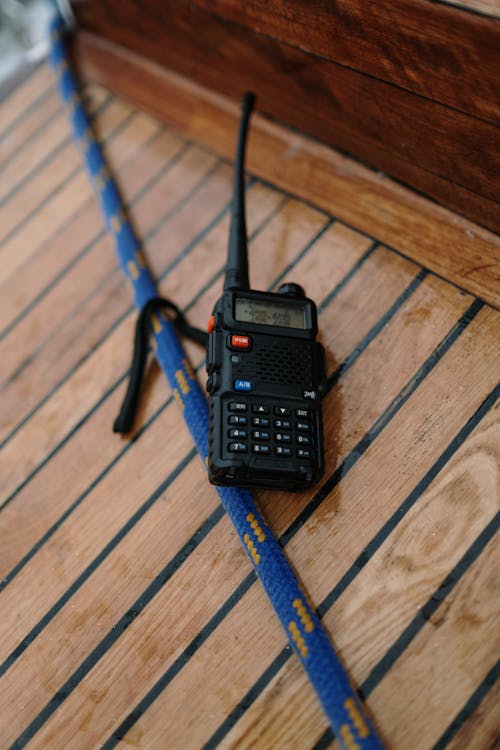
This is beyond emergency radio territory but worth mentioning: if you get your Technician ham license (it’s free to study, the test is $15 and takes about two hours), a Baofeng UV-5R at $25 turns you into a two-way communicator on the local repeater network. You can monitor traffic, coordinate with your community, and reach out over much greater distances than FRS walkie-talkies allow.
Not a replacement for an emergency radio. An addition. The Baofeng gives you transmit capability; the emergency radio gives you NOAA alerts. Different tools.
Comparison Table
| Radio | Price Range | NOAA | Alert | Hand Crank | Solar | Shortwave | Best For |
|---|---|---|---|---|---|---|---|
| Midland ER310 | $60-70 | ✓ | ✓✓ | ✓ | ✓ | ✗ | Best overall |
| Kaito KA500 | $40-55 | ✓ | ✓ | ✓ | ✓ | ✓ | Best value |
| Sangean MMR-88 | $35-45 | ✓ | ✓ | ✓ | ✓ | ✗ | Budget pick |
| Eton Elite | $120-150 | ✓ | ✗ | ✗ | ✗ | ✓✓ | Home base, serious shortwave |
Common Mistakes When Buying Emergency Radios
Buying one that only runs on AC power. These are great home radios but not emergency radios. If the power’s out, they’re paperweights. Make sure your radio has a battery mode and ideally a hand crank. This is the mistake I see most often in “emergency radio” searches — people buy an indoor NOAA monitor without battery backup.
Not testing the alert function before you need it. NOAA weather alert radios have a test mode. Use it. Some radios are finicky — they need a specific alert tone to trigger. Know that your radio works before the storm is incoming.
Keeping it in a drawer uncharged. These radios need a charged internal battery to function without power. Plug it in for a few hours once a month. Set a reminder. A dead emergency radio is just a brick.
Only buying one. I have one in the go-bag, one on the kitchen counter, and one in the garage. The kitchen one is the daily-use NOAA monitor. The go-bag one is sealed and reserved for actual emergencies. The garage one is the backup. This redundancy costs me $130 total and gives me a working radio in almost any scenario.
Metal Buildings and Basements Block NOAA Signals
If your radio is stored in a metal shed, steel cabinet, or deep basement, the NOAA alert signal may not penetrate enough to trigger the alarm. Test your alert mode from exactly where you plan to store the radio — a radio that can’t wake you through your basement ceiling is not doing its job. Relocate or get a second unit upstairs.
Placement is something most people never think about until it fails them. NOAA alert signals sometimes can’t penetrate metal buildings or basements well. I talked to a guy whose radio was stashed in a metal cabinet in the basement and he slept through a tornado warning — the alert never cut through. If you’re storing yours somewhere like that, actually test whether the alarm reaches you before you’re counting on it to wake you up at 3 AM.
What About Satellite and Shortwave for the Grid-Down Scenario?
People ask me this a lot. In a true, extended grid-down situation — EMP, major infrastructure failure, months-long outage — how does communication work?
Honest answer: it gets harder, not easier. Local NOAA weather broadcasts would probably continue for days to weeks on backup power, then fade as those systems run out of fuel. AM radio stations similarly would stay up for a while. Shortwave from international broadcasters might be the last form of broadcast media standing.
That’s why I have the Eton in the Faraday cage. In a true long-haul grid-down scenario, shortwave might be your only window into what’s happening in the wider world. But you’re building the plan for the most likely scenarios first — the power outage that lasts five days, the hurricane that knocks out local infrastructure for two weeks, the winter storm that keeps you home for a week. For all of those, NOAA weather radio is what you need.
The shortwave is for the scenarios you really hope don’t happen.
For the full communication picture — what to do when cell networks fail, how to coordinate with your family across distance, whether you need ham radio — I covered that in detail in the emergency communication plan guide.
What I’d Buy With My Own Money Today
If someone handed me $100 and said “set up emergency communications from scratch,” I’d buy:
-
Midland ER310 — $65. This goes on my kitchen counter, plugged in, set to weather alert standby. It will alert me to any NOAA emergency in our area, 24/7.
-
Baofeng UV-5R — $25. This goes in my go-bag inside a small zip-lock bag. It’s a 2-watt handheld radio that, if I get my ham license (and I have mine — Technician class took me about 8 hours of studying), gives me two-way communication on local repeaters.
-
$10 left over: a pack of AA batteries to keep spare charged batteries for whichever radio needs them.
That’s it. That covers NOAA alerts, local two-way communication, and weather monitoring. Everything built on top of that is supplementary.
Don’t overcomplicate this. An emergency radio that works and is actually turned on beats the fanciest radio sitting dead in a drawer. Start simple, test it, then build from there.
Have you had an emergency radio actually alert you to a real emergency? I’d genuinely like to hear about it — what radio, what situation, whether it made a difference. Drop it in the comments.