Disclaimer: The information in this article is for educational purposes only and is not a substitute for professional medical training. Take a Wilderness First Aid or Stop the Bleed course from a certified instructor. These courses save lives. This article does not.
This article contains affiliate links. We may earn a small commission if you purchase through these links, at no extra cost to you.
A deer hunting buddy of mine, guy named Phil, stepped on a tree stand footrest that had dry-rotted through. Fell eight feet, caught a rusty bolt on the way down. Tore his forearm open pretty badly — deep laceration, arterial involvement.
His hunting partner, a guy who had taken a Stop the Bleed course six months earlier, applied a tourniquet in about forty seconds and got the bleeding controlled before the EMTs arrived twenty-two minutes later.
Phil lost a lot of blood. He had surgery. He kept his arm.
The tourniquet did that.
Severe bleeding is the number one preventable cause of traumatic death in the field, according to the American College of Surgeons. Not infection, not hypothermia, not snakebite — bleeding. And unlike most wilderness emergencies, severe hemorrhage gives you a very short window. Arterial bleeding from a major wound can kill a healthy adult in under three minutes without intervention.
Three minutes.
This is the only first aid skill that has zero room for “I’ll look it up when I need it.” You need to know it now.
Recognizing Severe vs. Minor Bleeding
Not all bleeding is the same situation.
Minor bleeding — cuts, abrasions, small lacerations — looks scary sometimes but is rarely life-threatening. Capillary and venous bleeding from surface wounds will usually slow with basic pressure and clot within 10-15 minutes. You treat this with direct pressure and wound care.
Severe bleeding looks different. You’re looking for bright red blood that pulses with the heartbeat (arterial), blood that’s flowing fast and isn’t slowing down with pressure, blood that’s soaking through bandaging quickly, or any wound on a limb where tissue or major structures are visibly involved.
Amputation — partial or complete — is always an immediate tourniquet situation. Don’t assess, don’t hesitate.
High-velocity gunshot wounds and deep puncture wounds from machinery or tools deserve serious attention even if external bleeding seems controlled, because internal bleeding may be occurring. You can’t treat internal bleeding in the field. Your job is to stabilize, control what you can, and move to definitive care as fast as possible.
Arterial Bleeding Can Kill in Under Three Minutes
Bright red blood that pulses with the heartbeat is arterial bleeding — the most dangerous kind. A major arterial wound can be fatal in under three minutes without a tourniquet. Do not spend time assessing or calling for help before applying a tourniquet. Get it on first, then do everything else.
Direct Pressure First
For lacerations and deep cuts without arterial involvement, direct pressure is your first move.
Push down hard with the cleanest material you have — ideally a trauma pad or sterile gauze, realistically whatever you have available. A shirt works. A bandana works. Your bare hand works if that’s all there is. The goal is pressure. Sustained, direct, hard pressure.
Don’t peek. Every time you lift the bandage to check the wound, you disturb any clot that’s forming. Put the pressure on and hold it. Hard. Harder than you think. Most people apply about 40% of the pressure they should. I’ve watched people press a cloth to a wound so gently it barely contacted the tissue. That’s not pressure. That’s wishful thinking.
Hold for a minimum of 10 minutes without releasing. Use a clock if you can. If blood soaks through the first layer, don’t remove it — add more material on top and increase pressure. Removing the first layer disrupts clot formation. Layer on top.
If you’re alone and need your hands for something else — calling for help, clearing a scene, managing an unconscious patient — you can improvise a pressure bandage using whatever you have to hold material against the wound. This is less effective than manual pressure but better than nothing.
Pro Tip: The heel of your hand concentrates more force than flat fingers. For a wound on a flat surface like the thigh or upper arm, use the heel of your hand and lean your body weight into it. This is arm-exhausting work. If you have a second person, switch every few minutes so pressure doesn’t drop when you fatigue.
The wilderness first aid complete guide has the full treatment framework for field emergencies including bleeding as part of a priority assessment system.
Tourniquet Application — Step by Step
Tourniquets are for limb wounds with severe arterial bleeding that isn’t controlled with direct pressure, or any amputation. High and tight — meaning above the wound as high on the limb as practical, tight enough to stop distal blood flow.
The old teaching was that tourniquets cause limb loss. This has been thoroughly debunked. Military data from two decades of combat trauma has shown that properly applied tourniquets are safe for several hours and that the “limb sacrifice” concern was exaggerated. Modern tourniquet protocols are aggressive about application because untreated arterial bleeding kills.
Step 1: Position the tourniquet. Go 2-3 inches above the wound (further up the limb, toward the torso). On the upper arm or thigh. Not on joints. Not below the knee or below the elbow — too many bones and structures to get adequate occlusion. For wounds too high on the limb to tourniquet (groin, axilla, shoulder junction), wound packing is your only option.
Step 2: Thread and pull tight. Commercial tourniquets — CAT (Combat Application Tourniquet) or the SOFT-T Wide — have a self-adhesive loop. Run the limb through, position it correctly, pull the strap as tight as physically possible before engaging the windlass.
Step 3: Windlass. Rotate the windlass rod until blood flow stops. This will be painful for the patient if they’re conscious. That’s expected. Keep going until the distal pulse is absent and bleeding has stopped. A tourniquet that’s tight enough to hurt but not stop the bleeding is worse than useless — it applies venous occlusion without arterial occlusion, which can accelerate blood loss.
Step 4: Lock and mark. Secure the windlass so it can’t loosen. Write the time of application on the tourniquet, on the patient’s skin, or record it verbally and remember it. Time of application matters for hospital treatment.
Do not remove a tourniquet in the field. Once it’s on and bleeding is controlled, it stays on until medical personnel take over.
The CAT Gen 7 tourniquet is what I carry in every pack. It’s the one used by military personnel. Around $30 for a genuine product — do not buy counterfeits. The market for fake CATs is unfortunately large, and they fail. Buy from reputable medical supply sources or direct from North American Rescue.
A Tourniquet That Hurts But Doesn't Stop Bleeding Is Worse Than Nothing
A tourniquet applied loosely enough that it occludes veins but not arteries will increase blood loss — blood can’t return from the limb but it’s still being pumped in. Tighten the windlass past the point of pain, past where the patient tells you to stop, until the distal pulse is absent and bleeding actually stops. If it still hurts but bleeding has stopped, it’s correct.
Improvised Tourniquets
If you have no commercial tourniquet: you can improvise with a strip of material 2 inches wide (a torn shirt, belt, accessory cord if it’s thick enough), a stick or pen for a windlass, and something to secure the windlass.
Rope, paracord, and zip ties are poor tourniquet materials — they’re too thin and cut into tissue without achieving adequate occlusion. Not ideal. But in a true arterial bleed situation with nothing else available, imperfect improvised is better than nothing.
Wound Packing for Deep Wounds
Some wounds can’t be tourniqueted — junctional wounds at the groin, shoulder, armpit, or neck. These require wound packing.
Wound packing means filling the wound cavity with material and then applying direct pressure over the packing. The goal is to fill the space the blood is occupying and apply pressure directly to the bleeding vessel from inside the wound.
Use hemostatic gauze if you have it. QuikClot Combat Gauze or Celox Gauze are the two most field-proven products. These gauzes contain agents that accelerate clotting dramatically. They make a significant difference versus plain gauze for arterial junctional wounds. Cost is $30-$50 per package — worth it. This is not where you economize.
Without hemostatic gauze, pack tightly with whatever you have — sterile gauze from a first aid kit, a folded triangular bandage, a clean cloth.
Technique: Pack the material directly into the wound cavity. Use your finger. Push it in. All the way. This is uncomfortable to do and uncomfortable to receive. Do it anyway — the goal is to get packing material in contact with the bleeding vessel, not just sitting at the surface of the wound. Then apply hard direct pressure over the packed wound for a minimum of 3 minutes (or 5 minutes for hemostatic gauze, per manufacturer instructions).
This procedure is covered in Stop the Bleed training, which is a free program through the American College of Surgeons. Take it. It’s two hours. It covers exactly this skill with hands-on practice.
Hemostatic Gauze Is Worth the Price for Junctional Wounds
For wounds at the groin, armpit, or neck that can’t be tourniqueted, hemostatic gauze like QuikClot Combat Gauze is the difference between a clot forming and uncontrolled bleeding. At $30-50 per packet it’s expensive, but you pack it in once and hold pressure — it dramatically outperforms plain gauze on arterial junctional wounds. This is not where you find a budget substitute.
After You’ve Controlled the Bleeding
Once bleeding is controlled — tourniquet applied and working, or wound packed and direct pressure is holding — you shift to treatment and transport.
Monitor the patient for shock. Pale, clammy skin, rapid weak pulse, confusion, and anxiety are signs of hypovolemic shock from blood loss. Keep the patient warm. Lay them down if possible, legs slightly elevated unless there’s a suspected spinal injury or the wound location prevents it. Don’t give water or food — they may need surgery.
Document everything you can: time of injury, time of tourniquet application, estimated blood loss, what was done. This information matters to emergency personnel.
Get help moving. A person who’s just had a severe hemorrhage needs hospital care. If you’re in the backcountry, activate emergency communication — PLB, satellite messenger, or cell if you have signal. Don’t try to hike someone out who is showing signs of shock. Get medical help moving toward you while you stabilize.
Our wilderness first aid kit guide covers the supplies you should have for situations exactly like this.
What to Carry
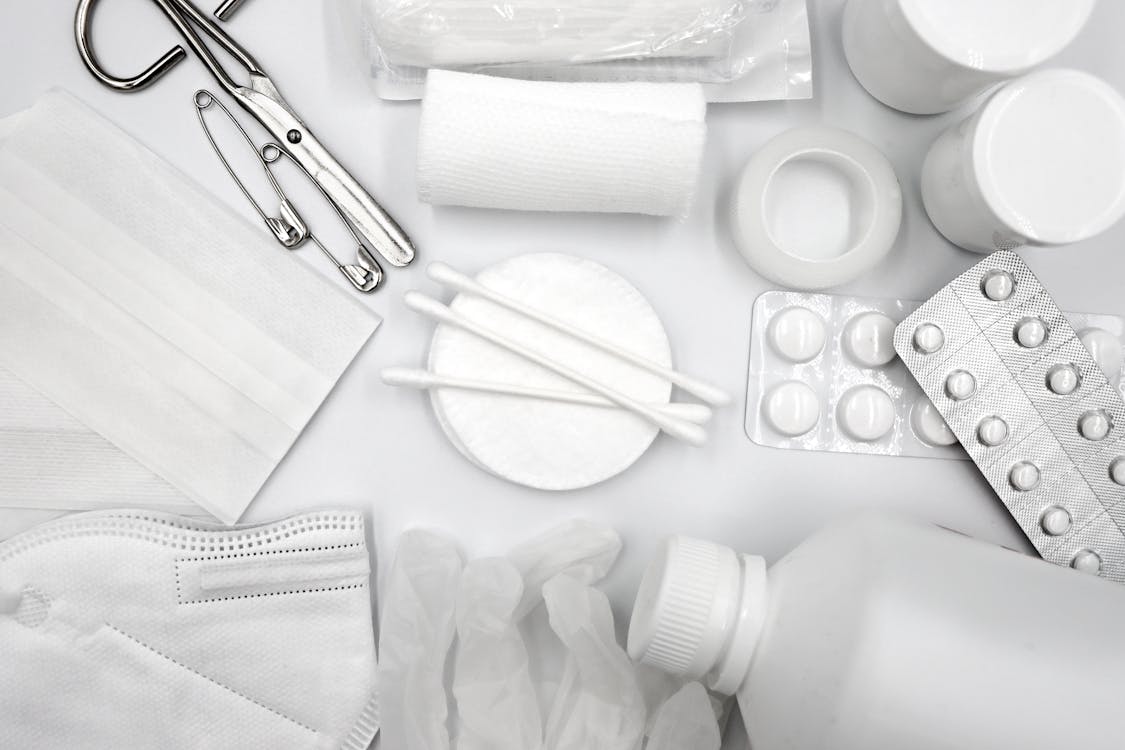
A minimal field trauma kit for serious outdoors use should have:
- One commercial tourniquet (CAT or SOFT-T Wide) — non-negotiable for hunting or any activity with cutting tools or firearms
- One package of hemostatic gauze (QuikClot or Celox)
- Several rolls of regular sterile gauze
- One Israeli battle dressing or similar pressure bandage
- Medical gloves (two pairs minimum)
- Permanent marker (for writing tourniquet time)
| Item | Purpose | Price Range |
|---|---|---|
| CAT Gen 7 Tourniquet | Limb hemorrhage control | $25-$35 |
| QuikClot Combat Gauze | Junctional / wound packing | $30-$50 |
| Israeli Bandage 4” | Pressure dressing | $10-$15 |
| Sterile gauze rolls | Direct pressure and packing | $5-$10 |
That kit fits in a pocket or in a dedicated IFAK pouch. It weighs almost nothing. And it’s the most important thing in your pack if something goes badly wrong.
This article contains affiliate links. We only recommend products we’ve personally tested. See our affiliate disclosure.
Take a Stop the Bleed course. Hands-on training with an instructor is irreplaceable. Everything I’ve written above will make more sense and stick better after you’ve practiced it on a simulated wound with someone walking you through the steps. The American College of Surgeons offers these courses free or low-cost at hospitals and community centers across the country. Find one at bleedingcontrol.org.
For broader emergency preparedness, our complete guide to emergency preparedness covers how to build a systematic approach to being ready for the unpredictable.