This article contains affiliate links. We may earn a small commission if you purchase through these links, at no extra cost to you.
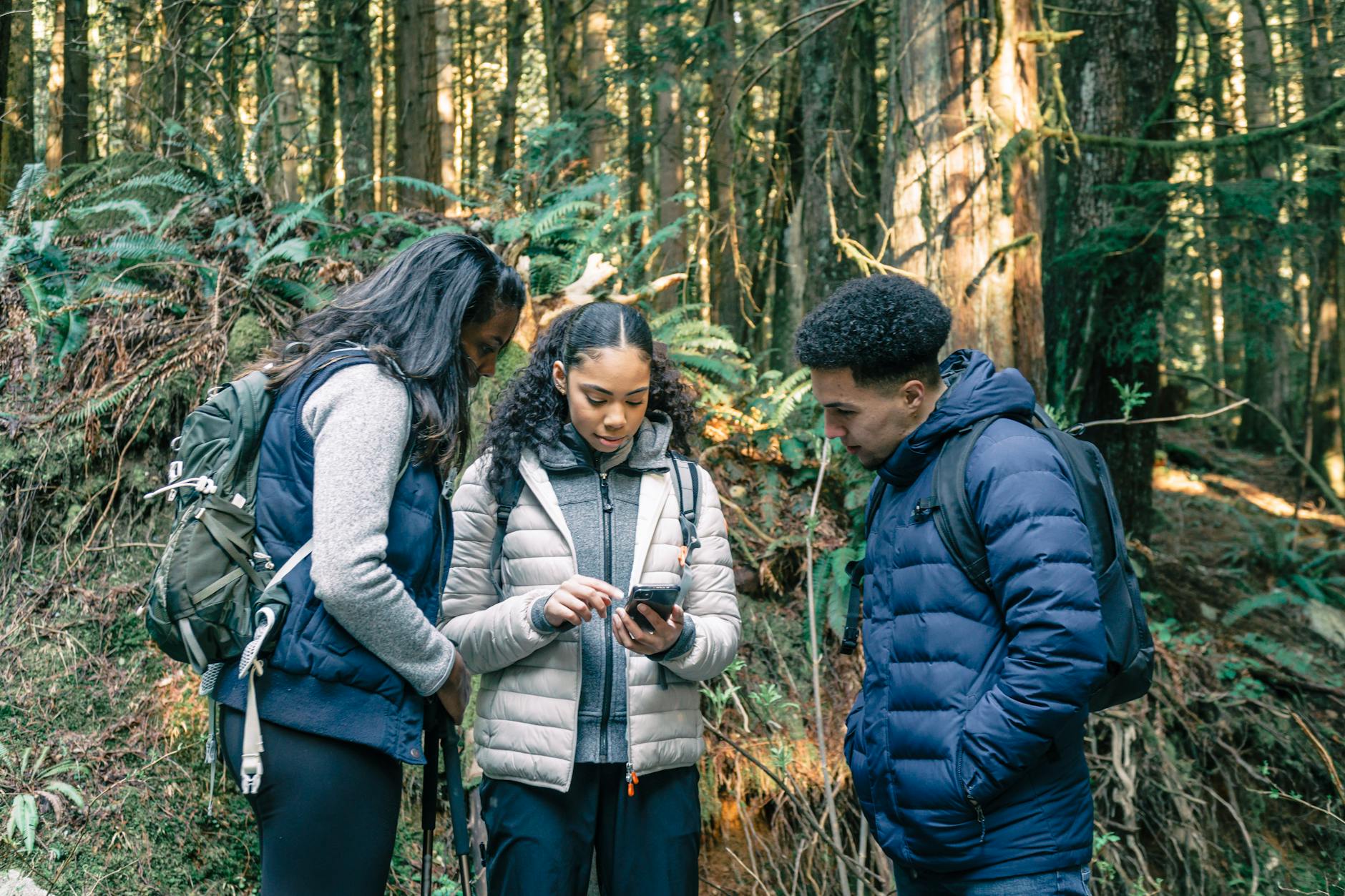
Last summer, I was hiking a backcountry trail when another hiker came sprinting toward me from ahead on the path — there had been a fall on a steep section, and the injured person was down a rocky slope. Our group had no trained medic. I had my phone with the First Aid Guide bookmarked. What followed was not graceful — hands shaking, trying to read and act simultaneously — but we stabilized the person correctly, managed the suspected spinal precautions, and the hiker was transported by rescue without any additional injury. Having a reliable reference in that moment was the difference between guessing and doing something right.
A first aid guide is only useful if you know how to navigate it quickly. Here is how to use the tool effectively — before an emergency happens, and during one.
How the Guide Is Organized
The First Aid Guide is organized in two parallel ways so you can find what you need regardless of what you know:
By Injury Type: If you know what happened — a burn, a cut, a broken bone, a suspected sprain — go directly to that category. Each injury type has its own dedicated section with assessment steps, treatment protocol, and warning signs that indicate escalation.
By Scenario: If you know where you are or what situation you are in — wilderness, vehicle accident, home emergency, natural disaster — the scenario-based sections provide context-specific guidance. Wilderness scenarios, for example, include evacuation considerations that home scenarios do not.
Both navigation paths lead to the same step-by-step instructions. Choose whichever matches what you know about the situation.
Finding Information Fast Under Stress
Under stress, fine motor skills and reading comprehension both degrade. The guide is designed around this reality: short numbered steps, no dense paragraphs within the action protocols, and bold text on critical actions. Do not read every word in the intro paragraphs when time is critical — jump to the numbered protocol.
For common emergencies, it takes about 30 seconds to locate the right section and start reading actionable steps. For less common scenarios, a minute or two. If you are alone and treating someone, put the guide on speaker or prop your phone where you can read it hands-free.
Step-by-Step Guide Usage in Practice
For wound care: Open the guide, navigate to Wounds and Bleeding. The protocol covers: applying direct pressure first, assessing depth and contamination, cleaning technique, dressing and bandaging, and signs of infection to watch for post-treatment.
For burns: Navigate to Burns. The protocol distinguishes between first, second, and third degree burns — different treatments apply — and covers cooling technique, what not to do (no ice, no butter), dressing, and when the burn requires emergency care.
For suspected fractures: Navigate to Fractures or Sprains. Protocol covers immobilization, padding, splinting techniques you can improvise with sticks and clothing, and movement restrictions.
For breathing emergencies: Navigate directly to Breathing Emergencies. This section has priority — it covers unconscious/unresponsive assessment, rescue breathing, and hands-only CPR protocols clearly.
When to Use the Guide Versus Calling 911
The guide supports treatment and stabilization — it does not replace emergency services when they are reachable. Call 911 first (or have someone else call while you start treatment) in any of these situations:
- Suspected heart attack or stroke
- Severe bleeding that direct pressure cannot control
- Unconsciousness or unresponsiveness
- Suspected spinal injury
- Anaphylaxis (severe allergic reaction)
- Poisoning or overdose
- Breathing that is absent, very slow, or severely labored
In wilderness scenarios where emergency services are not reachable within 30 to 60 minutes, the guide’s extended care protocols become more relevant. The Wilderness First Aid Complete Guide covers the full scope of long-distance, resource-limited first aid in detail.
Pro Tip
Practice opening the guide and finding three specific sections — wound care, burns, and fractures — against a timer before your next camping or hiking trip. Getting from home screen to the correct protocol in under 60 seconds under calm conditions means you can do it in roughly 90 seconds under stress. That speed matters.
Prepare Your Kit Alongside the Guide
The guide’s protocols assume you have the right supplies available. A wound care protocol that calls for sterile gauze and antiseptic is only helpful if your kit contains them. Build your first aid kit to match the guide’s protocols. The Build First Aid Kit Survival article covers exactly what belongs in a survival-ready first aid kit organized by injury category.
The First Aid Guide and a well-stocked kit work together. One without the other limits what you can do when something goes wrong.